Introduction
Proper wheel alignment is essential for your vehicle’s safety, performance, and tire longevity. But how often should you get a wheel alignment? Many drivers overlook this crucial service, leading to uneven tire wear, poor handling, and decreased fuel efficiency.
In this article, we explore expert recommendations on wheel alignment and highlight the importance of tire balancing. We also learn about actionable tips to keep your car running smoothly. Ensure your vehicle stays safe and efficient, and know how proper alignment can protect your tires and ride.
Why Does Wheel Alignment Matters?
According to a recent study, nearly 75% of tires tested showed uneven wear caused by improper tire-to-road contact, directly due to poor wheel alignment. Hence, Proper wheel alignment ensures your tires meet the road at the correct angle for optimal performance. It enhances driving comfort and protects essential vehicle components.
Here’s why it matters:
- Extends Tire Life: Keeps all tires wearing evenly, saving you from early replacements.
- Improves Fuel Efficiency: Reduces rolling resistance, helping your engine work efficiently.
- Enhances Steering Control: Maintains straight-line tracking and precise handling on every road.
- Prevents Suspension Damage: Reduces stress on steering and suspension components.
- Increases Safety: Ensures stability, grip, and better braking response during sudden maneuvers.
How Often to Get Wheel Alignment?
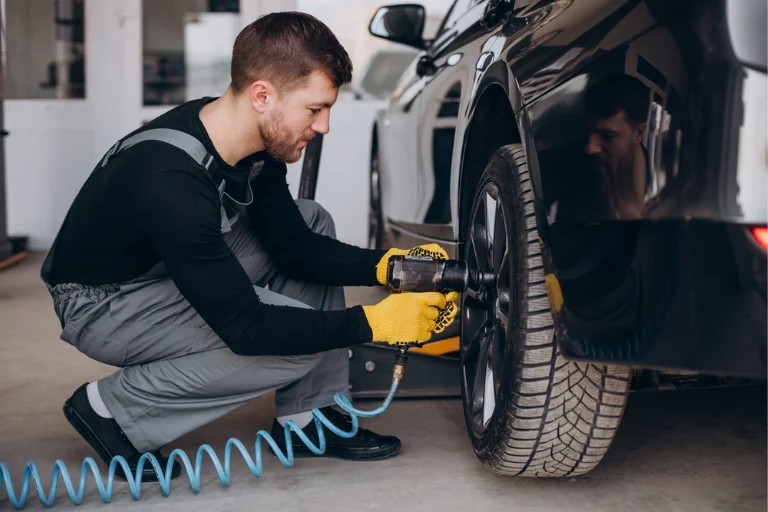
So, how often to get wheel alignment? The answer depends on several factors, such as driving conditions, terrain, and how you handle your vehicle. Experts recommend scheduling a wheel alignment every 10,000–12,000 miles or once a year to maintain stability and prevent uneven wear. However, this interval can change based on how and where you drive.
Here’s a more precise breakdown of wheel alignment timing:
- Every 12 Months or 12,000 Miles
This annual check is ideal for drivers who commute mostly on well-paved city or highway roads. It keeps tires even and steering precise.
- Every 6 Months for Rough Roads
If you frequently drive on unpaved, bumpy, or damaged roads, check your alignment twice a year to counter the effects of vibration and impact.
- After Major Impacts
Hitting a pothole, curb, or road debris can immediately knock your wheels out of wheel alignment. Schedule an inspection right after any substantial impact.
- After Suspension or Steering Repairs
Alignment is crucial after replacing parts like control arms, tie rods, or shocks to ensure the new components perform correctly.
- When Installing New Tires
Aligning your wheels during new tire installation helps them wear evenly from day one, improving performance and longevity.
- Seasonal Alignment Check
Extreme temperatures and winter road conditions can affect alignment angles. Many experts recommend checking alignment twice yearly, once before summer and once before winter.
By following these timeframes, you’ll maintain a smoother ride and extend the lifespan of your tires, reduce fuel costs, and prevent steering or suspension problems before they start.
Expert Recommendations for Wheel Alignment
Professional auto technicians emphasize that regular wheel alignment checks are key to preventing damage and ensuring optimal driving safety. Here’s what experts strongly suggest:
- Inspect at Every Oil Change: Every 5,000–6,000 miles, ask your mechanic to check alignment angles during oil service. Early checks help catch subtle shifts before they cause wear.
- Get Alignment After Tire Replacement or Rotation: When tires are moved or replaced, minor differences in tread height can alter wheel angles. A quick wheel alignment ensures smooth performance.
- Use Computerized or Laser Alignment Systems: Experts prefer advanced systems because they provide manufacturer-specific precision that manual methods cannot match.
- Perform Alignment After Any Accident or Strong Impact: A light collision can bend or misalign the suspension. Technicians recommend immediate checks after such incidents.
- Follow Manufacturer Guidelines: Every car model has specific alignment specifications. Professional service centers use these factory values to achieve the right caster, camber, and toe settings.
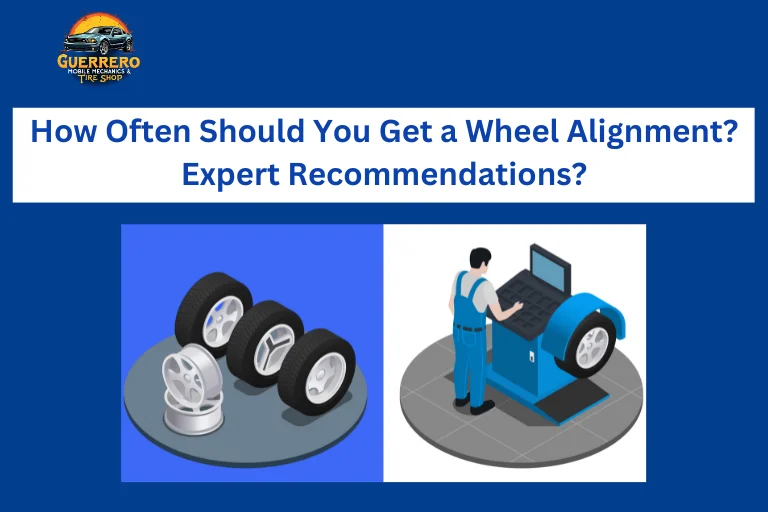
- Pair Alignment with Tire Balancing: Experts stress that both services complement each other. Alignment ensures tires point straight, while balancing ensures equal weight distribution.
These recommendations keep your steering responsive, fuel economy stable, and your tires in top condition.
Tire Balancing and Its Role in Alignment
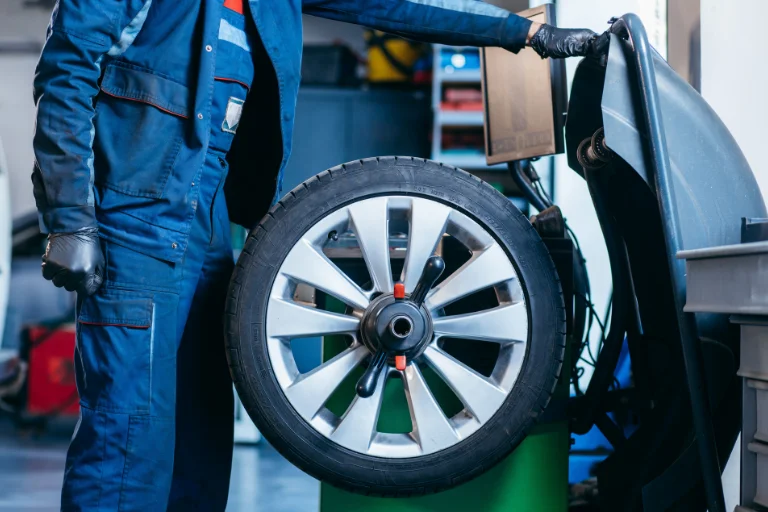
Tire balancing complements wheel alignment by ensuring equal weight distribution across all tires. Without balancing, even properly aligned wheels can cause vibrations and steering instability.
Professional mechanics recommend:
- Have your tires balanced every 6,000–8,000 miles or during tire rotation. This will keep them handled smoothly and wearing evenly.
- Constantly rebalance new tires. This prevents vibrations and uneven wear and improves fuel efficiency and ride comfort.
- Check your tires and rebalance if you feel shaking or vibrating at higher speeds. This protects steering and prevents premature tire damage.
Balancing improves ride comfort, protects suspension components, and ensures maximum tire longevity. According to study, combining balancing and alignment with correct tire inflation can extend a tire’s lifespan by as much as 4,700 miles, making it a smart maintenance habit that saves money and performance loss.
Signs You Need a Wheel Alignment
Recognizing the signs early prevents costly repairs. Look for:
- Uneven tread patterns or worn tire edges.
- The car is pulling or drifting to one side.
- The steering wheel tilted when driving straight.
- Slight vibration or noise while turning.
- Reduced fuel efficiency or sluggish steering.
Even one of these symptoms indicates it’s time to get a professional wheel alignment.
DIY Maintenance Tips Between Professional Checks
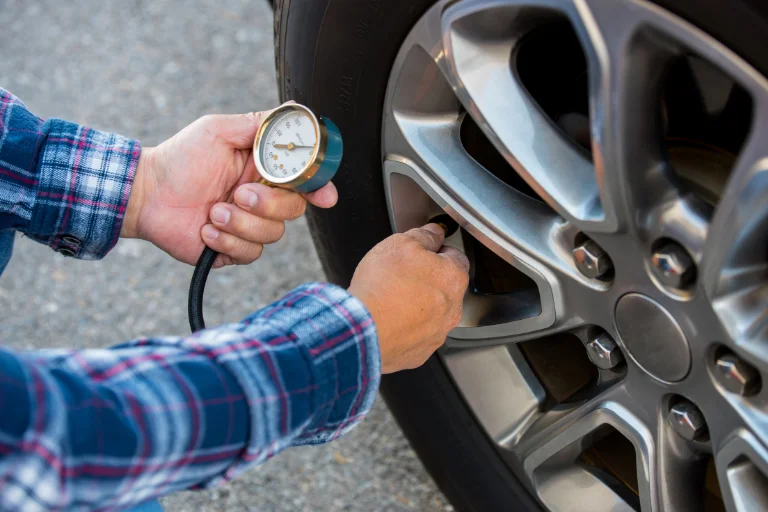
Keep your alignment in check between service appointments with these habits:
- Check Tire Pressure Monthly: Maintain proper PSI per manufacturer recommendations to ensure even traction and alignment.
- Rotate Tires Every 6,000 Miles: Keeps wear balanced and prevents uneven patterns that cause misalignment.
- Drive Carefully Over Obstacles: Avoid curbs, potholes, and rough roads that can shift wheel angles.
- Inspect Tread Wear Regularly: Catch irregular wear early to prevent deeper alignment issues.
- Lighten Vehicle Load: Remove unnecessary cargo that stresses suspension components.
- Book Preventive Alignment Twice a Year: Routine inspections help spot subtle misalignments before they affect driving comfort.
These habits ensure smoother driving, longer tire life, and lower repair costs.
Conclusion
Regular wheel alignment and tire balancing are critical for safe driving, improved performance, and longer-lasting tires. Knowing how often to get wheel alignment and monitoring early warning signs can prevent costly repairs and keep your vehicle running smoothly. Don’t wait until uneven tires or poor handling become a problem.
Schedule your next wheel alignment today. Guerrero Mobile Mechanics offers professional, on-site alignment and balancing services with precision and care, ensuring your car drives straight, safely, and efficiently.