Introduction
A vehicle radiator plays a critical role in controlling engine temperature and preventing overheating. When a radiator leaks or stops working properly, drivers may face serious engine performance issues if they ignore the problem. Knowing whether you need a repair or a full replacement helps you make a better maintenance decision.
This guide covers common radiator problems, repair options, warning signs, and what affects your vehicle’s radiator replacement cost. If your car is already leaking coolant or running hot, a quick inspection now can save you from a much bigger repair bill later.
What Does a Car Radiator Do?
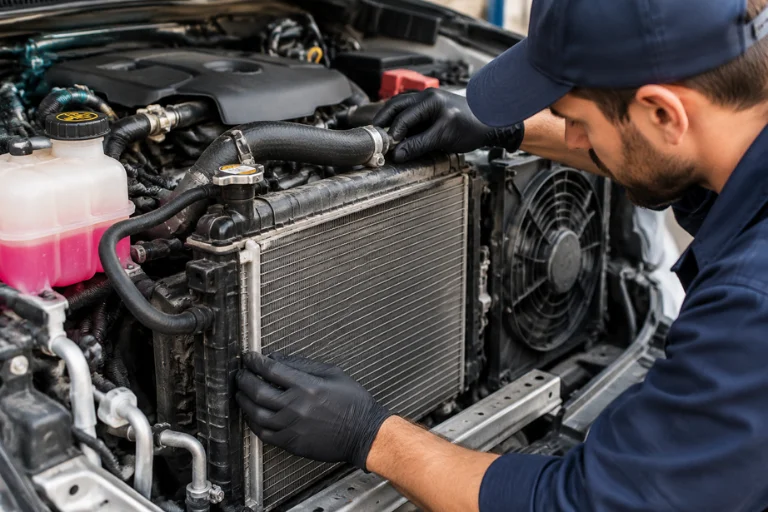
The radiator is an essential part of your vehicle’s cooling system. Its main purpose is to remove excess heat from the engine coolant and keep it at a safe operating temperature. During normal operation, coolant absorbs heat from the engine and flows through the radiator. Air passing through the radiator removes heat before the coolant returns to the engine.
A properly functioning radiator helps prevent:
- Engine overheating.
- Cooling system pressure problems.
- Internal engine damage.
- Reduced vehicle performance.
- Expensive repair issues.
When the radiator is damaged, drivers may need professional repair or replacement, depending on the severity. Knowing the likely radiator replacement cost before a breakdown also helps you plan.
Radiator Repair vs Replacement: What Is the Difference?
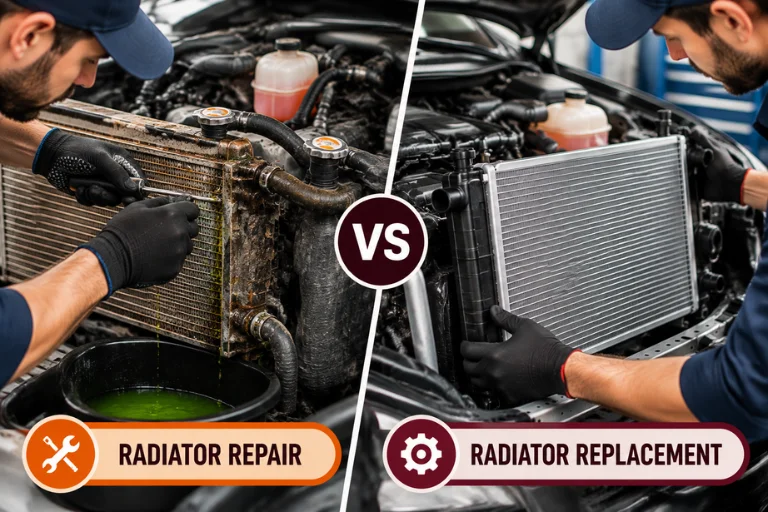
Choosing between repair and replacement depends on the radiator’s condition and the extent of the damage.
Radiator Repair
A radiator repair may be possible when the damage is minor and limited to specific areas. Small leaks, damaged hoses, loose connections, or minor component failures can sometimes be fixed without replacing the entire radiator. A professional radiator leak repair service focuses on identifying the exact source of coolant loss and restoring proper cooling system operation.
Radiator repair costs can vary depending on the damage, vehicle type, parts required, and labor complexity. According to ConsumerAffairs, radiator repair costs may range from $250 to $750, depending on the scope of work and service requirements.
Common repair solutions include:
- Fixing minor leaks: Small leaks can often be sealed or fixed without replacing the whole radiator.
- Replacing damaged hoses: Replace cracked or worn hoses to stop coolant loss and restore proper flow.
- Repairing connections: Tighten or repair loose or damaged connections to keep coolant sealed in the system.
- Changing radiator caps: Replace a faulty radiator cap to keep the cooling system at the correct pressure.
- Addressing small cooling system issues: Fix small cooling system issues early, before they become bigger problems.
Radiator Replacement
A complete radiator replacement may be necessary when the radiator has major damage, corrosion, cracks, or repeated failures. Replacement is usually recommended when:
- Core damage: The radiator core is severely damaged and can no longer transfer heat properly.
- Cracks: Large cracks are present, and they usually can’t be repaired reliably.
- Repeat leaks: Leaks continue after repairs, which means the underlying damage remains.
- Age: The radiator has reached the end of its service life, and replacing it now is safer than waiting for it to fail.
- Poor cooling: Cooling performance remains poor even after other cooling system fixes.
The final radiator replacement cost depends on the vehicle type, radiator quality, labor requirements, and additional parts needed.
Factors That Affect Radiator Replacement Cost
Radiator replacement cost varies by vehicle because several factors influence the total expense.
Vehicle Make and Model
Different vehicles use different radiator designs, sizes, and materials. Some vehicles have easier access to the radiator, while others require additional labor to remove surrounding components. Luxury vehicles, trucks, and specialized models may increase the radiator replacement cost because the parts are more expensive.
Radiator Type and Quality
Replacement radiators are available in different quality levels, including original equipment manufacturer (OEM) and aftermarket options. The selected radiator affects the durability, cooling performance, warranty coverage, and long-term reliability.
Labor Requirements
The amount of labor involved can vary depending on the vehicle design. Some radiators can be replaced quickly, while others require additional disassembly before installation.
Additional Cooling System Components
During radiator replacement, technicians may also inspect related components such as:
- Coolant hoses
- Thermostat
- Radiator cap
- Cooling fans
- Water pump
Replacing damaged supporting parts may add to the radiator replacement cost, but it can prevent future cooling problems.
Common Signs You Need Radiator Repair or Replacement
Recognizing radiator problems early can help prevent serious engine damage. Many cooling system issues become worse when ignored.
Coolant Leaks
Visible coolant under your vehicle is one of the most common signs of radiator trouble. A leaking radiator can lower coolant levels, increasing the risk of overheating. A professional radiator leak repair service can identify whether the leak can be repaired or if replacement is necessary.
Engine Overheating
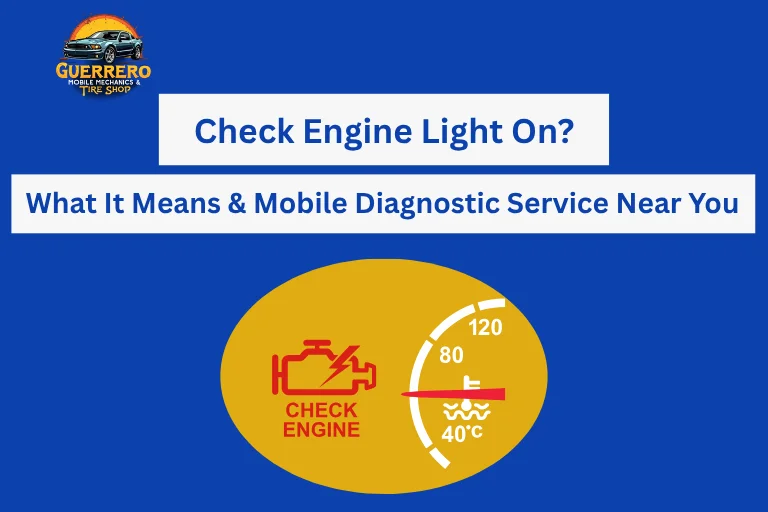
If the temperature gauge rises above normal or the overheating warning appears, the radiator may not be removing enough heat from the engine. Waiting until the engine overheats can turn a small fix into engine work on top of the radiator replacement cost. Driving with an overheating engine can cause severe damage, including a blown head gasket, engine component damage, and complete engine failure.
Low Coolant Levels
Frequent coolant refills may indicate a hidden leak or cooling system problem. A technician should inspect the radiator and surrounding components to locate the cause.
Discolored or Contaminated Coolant
Rusty, dirty, or contaminated coolant can indicate corrosion inside the cooling system. This may reduce radiator efficiency and shorten its lifespan. Regular coolant checks help identify contamination before it causes major cooling problems.
Steam From Under the Hood
Steam from the engine area often indicates coolant leaking onto hot components or an overheating engine. Immediate inspection can help prevent overheating damage and expensive engine repairs.
Common Causes of Radiator Damage
Radiators can fail for several reasons, including normal wear and environmental conditions.
- Corrosion and Rust: Over time, internal corrosion can weaken radiator materials and create leaks.
- Physical Damage: Road debris, accidents, or impacts can damage radiator fins, tanks, or cooling passages.
- Old Coolant: Using old or incorrect coolant can reduce corrosion protection and affect cooling system performance.
- Excessive Pressure: Cooling system pressure problems can damage radiator components and create cracks or leaks.
Regular maintenance helps reduce the chances of major radiator failures and a higher radiator replacement cost.
How Professional Radiator Leak Repair Works
A professional technician begins by inspecting the cooling system to determine the source of the problem. The process may include:
- Checking coolant levels.
- Inspecting visible leaks.
- Testing cooling system pressure.
- Examining radiator condition.
- Checking related components.
After identifying the issue, the technician explains whether repair or replacement is the most suitable solution. Proper diagnosis prevents unnecessary part replacement and gives you a more accurate radiator replacement cost.
Mobile Radiator Repair Service for Convenient Solutions
A mobile mechanic provides a convenient option for drivers who need cooling system assistance without arranging a tow or visiting a repair facility. Getting professional service early can help identify issues and clarify radiator replacement cost before major damage occurs. Mobile service can help with:
- Radiator inspections.
- Leak identification.
- Cooling system checks.
- Repair recommendations.
- Replacement guidance.
For drivers experiencing overheating, professional help can prevent additional engine damage. A technician can determine whether your vehicle needs radiator leak repair or a full radiator replacement based on the cooling system’s condition.
How to Prevent Future Radiator Problems
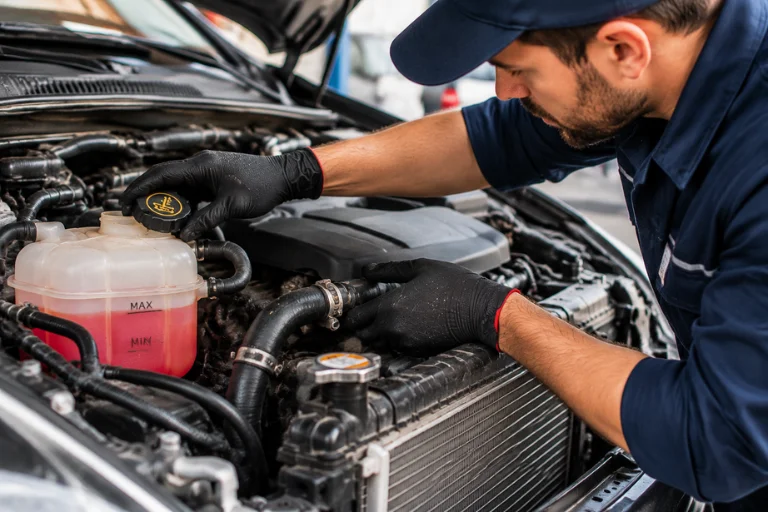
Preventive maintenance helps extend radiator life and keeps the cooling system working efficiently. Regular care can also reduce the chances of needing expensive radiator repair or a higher radiator replacement cost later. Vehicle owners should:
- Check coolant levels regularly.
- Follow manufacturer maintenance schedules.
- Use the correct coolant type.
- Inspect hoses for cracks.
- Address leaks quickly.
- Avoid driving with overheating warnings.
Small cooling system issues can become expensive repairs when ignored.
Conclusion
A damaged radiator can quickly become a serious engine problem if you don’t address it. Understanding the difference between repair and replacement, and the radiator replacement cost involved, helps drivers choose the right solution based on damage level and vehicle condition.
From minor leaks to complete radiator failure, a professional inspection is the best way to protect your engine and avoid costly repairs. Guerrero Mobile Mechanics provides convenient radiator services to diagnose cooling problems and keep your vehicle running safely. Schedule a professional radiator inspection today and prevent small cooling issues from becoming major engine repairs.