Introduction
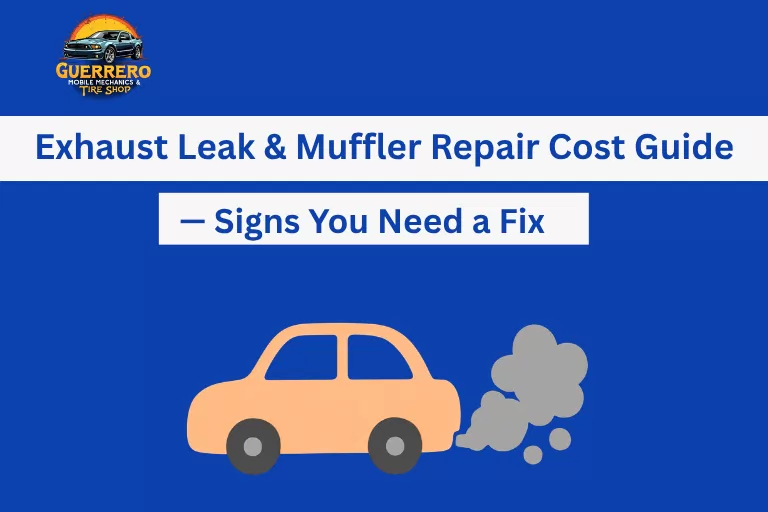
A loud rumbling sound, unusual exhaust smell, or sudden change in engine noise can indicate a problem with your vehicle’s exhaust system. Damaged exhaust components can affect engine performance, increase emissions, and allow dangerous gases to escape. Delaying exhaust leak repair may also lead to additional damage and higher repair expenses.
Knowing what causes exhaust leaks and how much repairs typically cost can help you avoid unnecessary expenses. This article covers common warning signs, muffler problems, exhaust leak repair costs, and situations that require professional attention.
What Is an Exhaust Leak and Why Does It Matter?
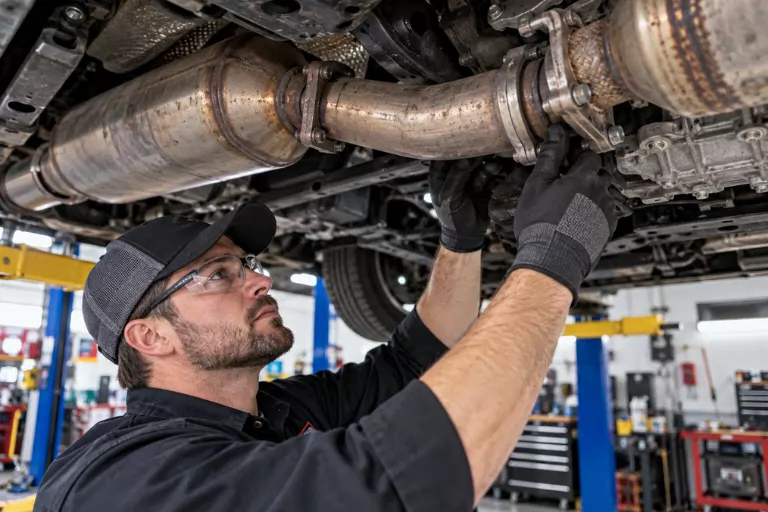
An exhaust leak occurs when gases escape through a cracked pipe, damaged gasket, corroded muffler, or loose connection instead of passing through the complete exhaust system. These leaks can develop near the engine or farther along the exhaust piping.
The exhaust system directs combustion gases away from the vehicle, reduces engine noise, and helps control emissions. When it develops a leak, the consequences depend on the damaged component and its location.
Common problems include:
- Increased exhaust noise during acceleration.
- Reduced fuel efficiency in certain situations.
- Exhaust fumes entering the passenger compartment.
- Check engine light activation.
- Unusual vibrations beneath the vehicle.
- Failed emissions inspections.
Professional exhaust leak repair restores proper exhaust flow and fixes damaged components before they cause more problems.
Common Signs Your Vehicle Needs Exhaust Leak or Muffler Repair
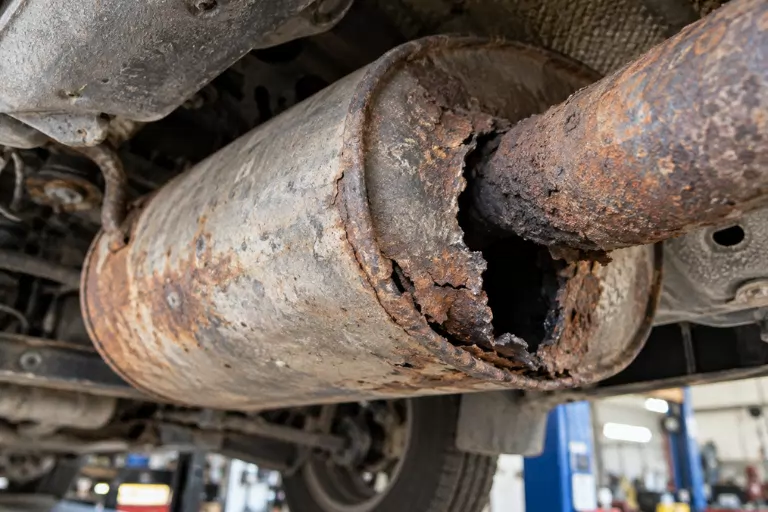
Exhaust system problems often produce noticeable warning signs. Identifying these symptoms early can prevent minor damage from becoming a more expensive repair.
Loud Rumbling or Hissing Noises
A damaged muffler can create a deep rumbling sound, especially during acceleration. Exhaust manifold leaks may produce ticking noises, while small openings in exhaust pipes can create hissing sounds. If your vehicle suddenly sounds louder than normal, an inspection can help locate the damaged section.
Exhaust Smell Inside the Vehicle
Exhaust odors inside the passenger cabin require immediate attention. Leaking exhaust gases may enter through ventilation openings or gaps in the vehicle body. Carbon monoxide is particularly dangerous because it has no smell or color. If you suspect exhaust gases are entering the cabin, stop driving safely, turn off the engine, and seek assistance.
Poor Engine Performance
Certain exhaust leaks can interfere with oxygen sensor readings and affect engine fuel adjustments. Drivers may notice rough idling, increased fuel consumption, or reduced acceleration. However, these symptoms can also result from ignition, fuel delivery, or sensor problems. Proper diagnosis is necessary before proceeding with exhaust leak repair.
Rust, Holes, or Loose Exhaust Parts
Visible corrosion, disconnected hangers, or holes in the muffler can indicate significant exhaust damage. Loose components may rattle against the vehicle’s underside or hang dangerously close to the road. These conditions should be inspected promptly because weakened pipes and mounting points can eventually separate.
How Much Does Exhaust Leak Repair Cost?
The cost of exhaust leak repair depends on the location of the leak, severity of the damage, and type of repair required. Minor problems involving loose connections, damaged gaskets, or small exhaust pipe leaks are generally less expensive to fix than a cracked exhaust manifold or severely corroded muffler.
According to RepairPal, the average muffler replacement cost ranges from $1,138 to $1,190, including approximately $1,034 to $1,037 for parts and $104 to $153 for labor. These estimates exclude taxes, fees, and additional repairs.
However, not every exhaust leak requires complete muffler replacement. Some leaks can be repaired by replacing damaged gaskets, securing loose connections, or fixing an isolated pipe section. The final Exhaust leak repair cost depends on the vehicle’s condition, replacement parts, and labor involved. A professional inspection helps determine the most practical and cost-effective repair option.
Factors That Affect Muffler Repair Cost
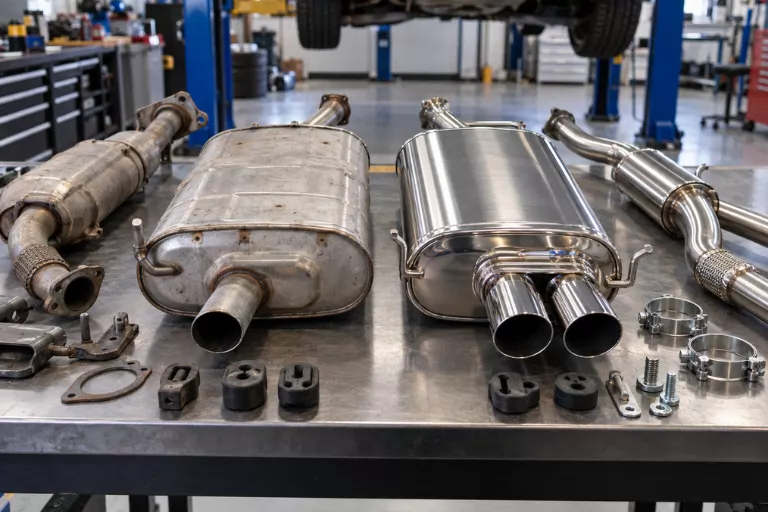
Several factors influence exhaust repair expenses. The price depends on more than the damaged muffler itself.
Vehicle Make and Model
Different vehicles use different exhaust layouts, muffler designs, and mounting systems. Some components are easily accessible, while others require additional disassembly. Larger vehicles and models with specialized exhaust assemblies may need more expensive replacement parts.
Severity of the Damage
Small leaks at connecting flanges may require a gasket or hardware replacement. Extensive corrosion, cracked pipes, or multiple damaged sections can require considerably more work. The condition of surrounding components also matters because new parts must connect securely to existing exhaust sections.
Parts and Labor Requirements
OEM replacement components and aftermarket options can differ in price and construction. Labor requirements increase when technicians must remove seized fasteners or replace several connected components. The final price should reflect the necessary parts, labor, and condition of the complete exhaust assembly.
What Causes Exhaust Leaks and Muffler Damage?
Exhaust components experience constant temperature changes, vibration, moisture exposure, and contact with road debris. Over time, these conditions can weaken metal surfaces and connecting hardware.
Common causes include:
- Rust and Corrosion: Moisture can gradually create holes in exhaust pipes and mufflers.
- Damaged Gaskets: Worn exhaust manifold or flange gaskets allow gases to escape.
- Road Impacts: Potholes, debris, and underside impacts can damage exhaust components.
- Loose Connections: Worn clamps and damaged flanges can create gaps between pipes.
- Excessive Vibration: Broken hangers or worn engine mounts can place additional stress on exhaust joints.
Determining the cause of the damage is essential for reliable exhaust leak repair. Fixing an individual leak without checking the surrounding system may leave other weakened components unnoticed.
Exhaust Leak Repair vs Muffler Replacement: Which Is Better?
Not every exhaust problem requires complete muffler replacement. The decision depends on the damage location, amount of corrosion, and condition of nearby components.
When Exhaust Repair Is Possible
Minor problems can sometimes be corrected without replacing large exhaust sections. A technician may recommend replacing a gasket, securing a loose connection, or repairing an isolated damaged pipe section. Professional welding may also be suitable when the surrounding metal remains strong enough to support a reliable repair.
When Muffler Replacement Is Necessary
A muffler with extensive corrosion, large holes, or internal deterioration may no longer be suitable for repair. Repeated leaks can also indicate that the metal has weakened beyond a practical repair. Comparing muffler repair cost with replacement expenses helps determine which option offers better value. Exhaust leak repair should fix the damaged component, not just cover the visible opening.
How Professional Exhaust Leak Repair Works
A technician begins by examining the exhaust system to locate escaping gases and identify damaged components. Depending on the problem, the inspection may include:
- Checking the exhaust manifold and gaskets.
- Inspecting pipes, joints, and connecting flanges.
- Examining muffler corrosion and physical damage.
- Checking exhaust hangers and mounting hardware.
- Investigating related diagnostic trouble codes.
After identifying the problem, the technician determines whether the component can be repaired or needs replacement. Exhaust leak repair may involve installing new gaskets, replacing damaged pipes, securing connections, or completing specialized welding work. The system should then be checked for remaining leaks, abnormal noise, and proper component alignment.
Is It Safe to Drive With an Exhaust Leak?
Driving with a damaged exhaust system can create safety risks, particularly when gases escape near the engine or passenger compartment. A minor leak may initially cause only additional noise, but continued use can allow the damage to spread. According to AAA’s exhaust leak guidance, exhaust leaks can affect fuel economy, increase engine noise, and expose occupants to harmful gases.
You should avoid driving when exhaust fumes enter the cabin, components drag underneath the vehicle, or occupants experience symptoms such as headaches or dizziness. Arranging exhaust leak repair promptly reduces safety risks and prevents further deterioration of damaged exhaust components.
How to Prevent Future Exhaust System Problems
Exhaust damage cannot always be avoided, but inspections and timely maintenance can help identify developing problems. Drivers should:
- Inspect visible exhaust pipes and mufflers for corrosion.
- Address new rattling or rumbling sounds.
- Avoid driving over debris that could strike exhaust components.
- Replace damaged exhaust hangers.
- Investigate unusual engine vibration.
- Have leaking connections inspected promptly.
Preventive inspections may lower the risk of extensive exhaust leak repair and help maintain reliable vehicle operation.
Conclusion
Exhaust system damage can affect vehicle noise, engine performance, emissions, and passenger safety. Repair expenses depend on the location of the leak, component condition, and whether replacement is necessary. Addressing unusual sounds, rust, or exhaust odors early can help prevent additional damage.
If your vehicle requires exhaust leak repair, contact Guerrero Mobile Mechanics to discuss the symptoms and available service options. A proper inspection finds the problem and explains what needs fixing, so you don’t pay for parts you don’t need.