Introduction
Your vehicle’s suspension system plays an important role in maintaining comfort, handling, and safety while driving. Shocks and struts control movement, absorb road impacts, and help keep your tires connected to the road surface. Over time, these components wear out and can affect ride quality and vehicle control.
Knowing when you need shock and strut replacement helps prevent suspension problems from worsening. In this article, we explore common warning signs, replacement factors, repair options, and how professional service can restore your vehicle’s performance.
What Are Shocks and Struts?
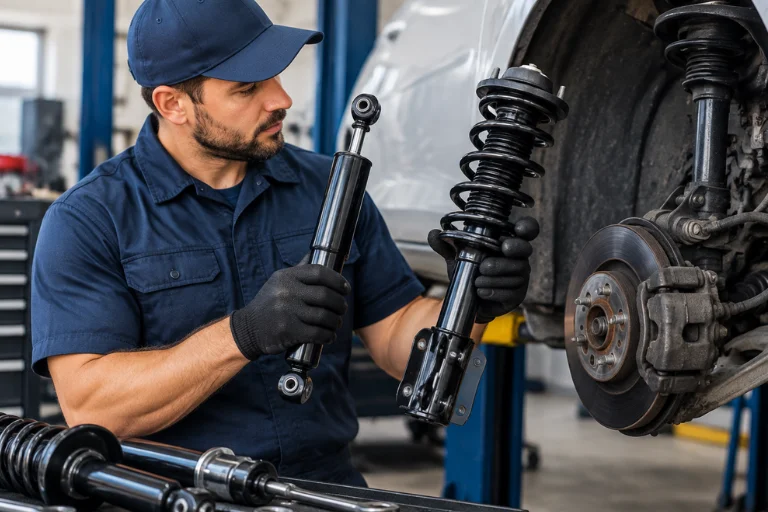
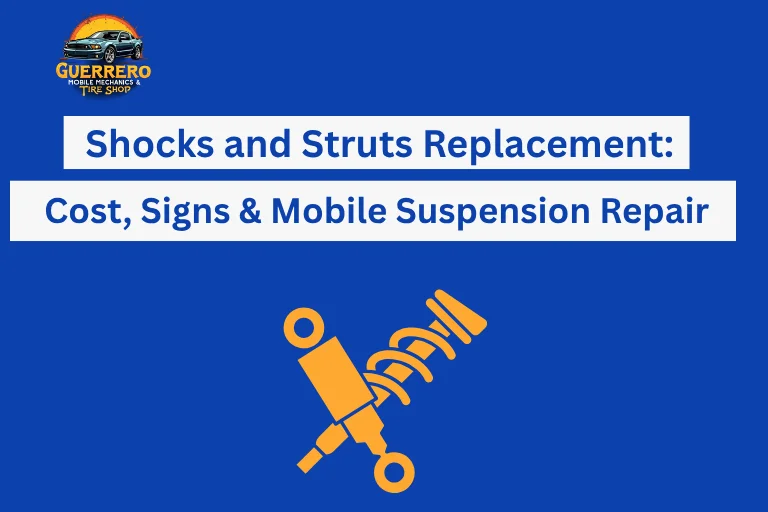
Shocks and struts are essential parts of your vehicle’s suspension system. Although they perform similar functions, they are different components with unique designs. Shocks are independent suspension components that control spring movement and reduce bouncing after hitting bumps. Struts combine a shock absorber with other suspension parts and provide structural support for many modern vehicle designs.
Together, shocks and struts help with:
- Vehicle stability.
- Smooth ride comfort.
- Better steering control.
- Tire contact with the road.
- Improved braking performance.
The demand for suspension components continues to grow as vehicle safety and ride comfort become more important. According to Market Research Future analysis, the Automotive Shocks and Struts Market was estimated at USD 31.97 billion in 2024 and is projected to reach USD 42.14 billion by 2035, growing at a CAGR of 2.54% during the forecast period. When these components become worn, professional shocks and struts replacement may be necessary to maintain safe driving conditions.
How Much Does Shocks and Struts Replacement Cost?
The total cost of shocks and struts replacement depends on several factors, including vehicle type, parts quality, labor requirements, and the number of components being replaced. Factors affecting replacement cost include:
- Vehicle make and model.
- Front or rear suspension location.
- Type and quality of replacement parts.
- Labor complexity.
- Additional damaged suspension components.
Some vehicles require replacing only one or two worn components, while others may need a full suspension service. A proper inspection helps determine whether replacement is required or whether another suspension repair solution is possible.
Signs You Need Shocks and Struts Replacement
Worn shocks and struts can gradually affect how your vehicle drives. Recognizing early warning signs helps prevent safety issues and additional suspension damage.
Excessive Bouncing After Bumps
If your vehicle keeps bouncing after driving over bumps or uneven roads, the shocks may no longer control suspension movement properly. A worn suspension system can reduce comfort and make the vehicle feel unstable. Professional car suspension repair can identify damaged components and determine if shocks and struts replacement is required.
Vehicle Dives During Braking
When shocks or struts lose effectiveness, the front of the vehicle may dip noticeably during braking. This can affect braking control and increase stopping distance. A suspension inspection helps determine whether worn parts need adjustment, repair, or complete shocks and struts replacement to restore better handling.
Uneven Tire Wear
Suspension problems can prevent tires from maintaining consistent contact with the road. This may create uneven tire wear patterns and reduce tire lifespan. Early car suspension repair can help correct suspension issues, improve tire performance, and prevent additional vehicle problems.
Vehicle Pulling or Poor Handling
If your vehicle feels hard to control, leans excessively during turns, or feels unstable at higher speeds, worn suspension components may be to blame. Professional mobile suspension repair lets technicians inspect suspension issues at your location and recommend the right solution.
Leaking Shock Absorbers
Visible fluid leaking from shocks or struts is a common sign of failure. A damaged shock cannot properly control suspension movement and may require replacement. With suspension repair, a technician can inspect leaking components, identify the cause, and advise whether shocks and struts replacement is needed.
Why Suspension Maintenance Is Important
Your suspension system does more than provide a comfortable ride. It directly affects vehicle safety, handling, and tire performance. A properly working suspension system helps maintain:
- Better steering response.
- Improved braking stability.
- Reduced tire wear.
- Increased driving comfort.
- Better control during emergency situations.
Ignoring worn suspension components can add stress to other parts, including tires, steering components, and wheel assemblies, and can turn a small repair into a full shocks and struts replacement later on.
Shocks and Struts Replacement Process
A professional replacement service involves careful inspection, correct installation, and final testing. Proper shocks and struts replacement ensures suspension components work together correctly and helps restore vehicle comfort, stability, and handling performance. The process usually includes:
Suspension Inspection
The technician examines shocks, struts, springs, mounts, and related suspension components to identify damage. This inspection helps determine whether shock and strut replacement or another suspension service is the right solution.
Removing Worn Components
Technicians carefully remove damaged shocks or struts while checking surrounding suspension parts for additional wear. Technicians inspect mounting points and related components before installing new replacement parts.
Installing New Components
Technicians install new suspension components according to manufacturer specifications. Proper installation ensures correct alignment, improved ride quality, and reliable suspension performance after the replacement service.
Final Testing
After installation, the vehicle undergoes testing to confirm improved handling, stability, and suspension response. Technicians verify that the new components operate correctly and provide a safer driving experience.
Car Suspension Repair: When Is It Needed?
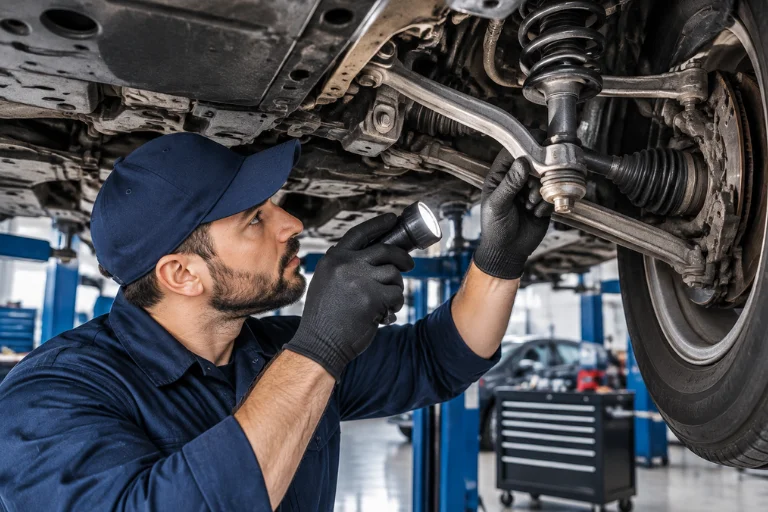
Many suspension issues involve multiple components, not just a single part. Professional car suspension repair involves inspecting the entire system to identify the exact cause of handling or ride problems. Suspension repairs may include:
- Shock and strut replacement.
- Spring replacement.
- Control arm repairs.
- Ball joint service.
- Bushing replacement.
- Steering component inspection.
A complete suspension evaluation helps prevent replacing parts that are not actually causing the problem.
Benefits of Mobile Suspension Repair
Mobile service provides a convenient solution for drivers who cannot easily visit a repair shop. A professional technician can inspect and repair suspension issues at your home, workplace, or preferred location. With mobile suspension repair, drivers can benefit from:
- Convenient Scheduling: Mobile suspension service lets you choose a time that works without rearranging your schedule for a shop visit.
- No Need for Towing in Many Situations: On-site service can help avoid towing costs when the vehicle can be safely inspected and repaired at your location.
- Professional Inspection at Your Location: A trained technician can check suspension components, identify issues, and recommend the right repair solution wherever your vehicle is parked.
- Reduced Waiting Time: Mobile service eliminates long shop wait times and helps you receive suspension assistance more efficiently.
- Direct Communication With the Technician: You can discuss symptoms, repair options, and recommendations directly with the mechanic during the inspection.
Mobile service makes shocks and struts replacement and other suspension maintenance easier while helping drivers address problems before they become more expensive.
How to Extend Suspension Component Life
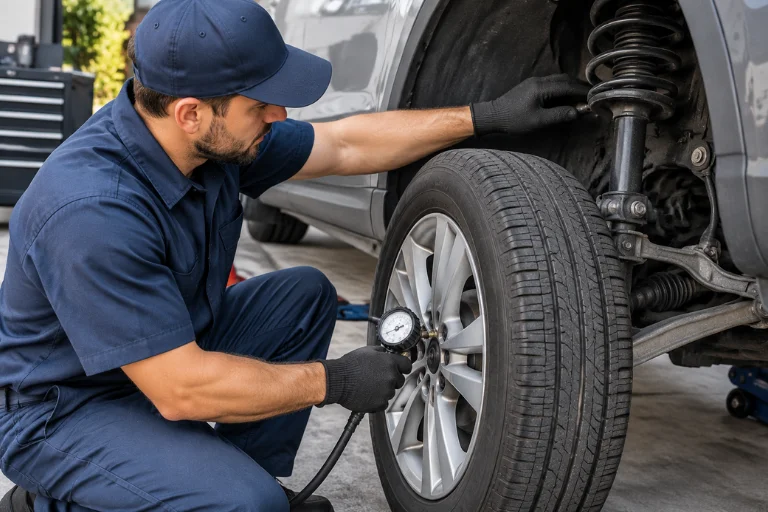
Regular maintenance can help maximize the lifespan of your vehicle’s suspension system and delay the need for shocks and struts replacement. Helpful practices include:
- Check Tire Pressure Regularly: Maintaining proper tire pressure reduces unnecessary stress on suspension components and improves overall driving stability.
- Drive Carefully Over Bumps: Driving slowly over bumps and rough roads helps protect shocks, struts, and other suspension parts from premature wear.
- Inspect Suspension During Maintenance: Regular suspension inspections help identify worn components early and prevent more expensive future repairs.
- Address Unusual Noises Quickly: Strange sounds such as knocking or squeaking may indicate suspension problems that require professional inspection.
- Rotate Tires as Recommended: Proper tire rotation promotes even tire wear and helps maintain balanced vehicle handling.
- Avoid Unnecessary Heavy Loads: Excessive weight puts additional stress on suspension components and can reduce their lifespan.
Addressing suspension problems early can reduce repair costs and improve driving safety.
Conclusion
Worn shocks and struts can affect vehicle comfort, handling, tire performance, and overall driving safety. Recognizing warning signs early and scheduling professional service helps prevent more serious suspension problems. A timely inspection can help determine whether you need shocks and struts replacement before minor suspension issues become costly repairs.
Whether your vehicle needs shock and strut replacement or a full suspension inspection, Guerrero Mobile Mechanics provides convenient mobile solutions to restore your vehicle’s stability and performance. Professional diagnosis ensures the right repair approach while helping you drive with greater confidence.