Introduction
Fleet vehicles play a critical role in daily business operations. Whether a company manages delivery vans, service trucks, or commercial vehicles, reliability is essential for maintaining productivity and customer satisfaction. A fleet vehicle inspection checklist helps identify potential mechanical issues before they become major problems. Unexpected breakdowns can lead to costly delays, safety concerns, and increased repair expenses.
Regular inspections help businesses identify potential problems before they become major issues. A structured fleet vehicle inspection checklist supports preventive maintenance and improves vehicle safety. In this article, we explore the most important items to include in a monthly fleet inspection.
Why Monthly Fleet Inspections Matter

Commercial fleet maintenance and fleet inspection are becoming more important as the number of commercial vehicles continues to grow. According to the International Road Transport Union (IRU), over 70% of global freight is transported by road. Many businesses focus on repairs only after problems occur.
However, monthly inspections provide an opportunity to identify developing issues before they affect vehicle performance.
Key Benefits
- Improved Vehicle Safety: Regular inspections help identify safety concerns before they become serious risks.
- Reduced Downtime: Early problem detection helps prevent unexpected breakdowns.
- Lower Repair Costs: Minor issues can often be repaired before they require expensive component replacements.
- Better Fleet Reliability: Well-maintained vehicles remain available for daily operations.
A consistent fleet vehicle inspection checklist helps businesses identify maintenance needs before they affect daily operations.
Building an Effective Fleet Vehicle Inspection Checklist

A comprehensive fleet vehicle inspection checklist helps ensure that every important vehicle system receives attention during monthly inspections. Consistency is essential when managing multiple vehicles.
Inspection Goals
- Identify Developing Problems: Regular inspections help uncover issues before they affect vehicle performance.
- Improve Maintenance Planning: Inspection results help schedule future maintenance activities.
- Support Compliance Requirements: Routine evaluations help businesses maintain proper vehicle standards.
- Extend Vehicle Lifespan: Consistent monitoring helps reduce wear and tear on critical components.
The following inspection categories should be reviewed every month as part of a complete fleet vehicle inspection checklist.
Engine and Fluid System Inspections
The engine is one of the most important vehicle systems. Monthly inspections help ensure that critical fluids remain at proper levels, and that engine components continue to operate efficiently.
Monthly Engine Checks
- Engine Oil Level and Condition: Inspect oil levels and check for signs of contamination or excessive wear.
- Coolant Level Inspection: Verify that coolant levels remain within the recommended range to prevent overheating.
- Transmission Fluid Evaluation: Check fluid condition and levels to support smooth shifting performance.
- Power Steering Fluid Check: Ensure proper fluid levels for responsive steering control.
- Brake Fluid Inspection: Monitor brake fluid levels and inspect for signs of leakage.
Fluid inspections play an important role in every fleet vehicle inspection checklist because they help identify developing mechanical issues. Low fluid levels can affect vehicle performance and lead to costly repairs if left unaddressed.
Regular engine inspections also improve reliability and help support long-term maintenance planning. Many serious mechanical failures begin as small problems that can be identified during routine evaluations.
Tire and Wheel Inspection Checklist
Tires directly affect vehicle safety, handling, and fuel efficiency. Monthly tire inspections help businesses reduce operating expenses while improving driver safety.
What to Inspect Each Month
- Tire Pressure: Verify that all tires are inflated to the manufacturer’s recommended pressure.
- Tire Tread Depth: Measure tread depth to ensure adequate traction and road performance.
- Uneven Tire Wear: Look for unusual wear patterns that may indicate alignment or suspension issues.
- Wheel Condition: Inspect wheels for cracks, bends, or visible damage.
- Wheel Alignment Indicators: Monitor steering behaviour and tire wear for signs of alignment issues.
Tire maintenance is a critical part of any fleet vehicle inspection checklist. Properly maintained tires improve fuel efficiency, enhance vehicle handling, and reduce the risk of roadside incidents. A consistent fleet maintenance checklist should also include tire rotation schedules and recommendations for replacement when tread wear reaches unsafe levels.
Brake System Inspection Checklist
Brakes are among the most important safety components on any commercial vehicle. Monthly brake inspections help ensure reliable stopping performance and reduce safety risks.
Critical Brake Components
- Brake Pad Condition: Inspect brake pads for wear and determine whether replacement is needed.
- Brake Rotor Inspection: Evaluate rotor condition and look for excessive wear or damage.
- Brake Fluid Levels: Verify proper brake fluid levels and inspect for leaks.
- Parking Brake Function: Test the parking brake to ensure proper operation.
- Brake Line Inspection: Check brake lines and connections for damage, corrosion, or leaks.
Brake inspections should never be overlooked. Worn brake components can affect stopping distance and increase safety risks for drivers and other road users. Including brake evaluations in a monthly fleet vehicle inspection checklist helps businesses identify issues early and schedule repairs before vehicle performance is compromised.
Battery and Electrical System Inspection
Modern fleet vehicles rely on electrical systems for starting, charging, lighting, communication devices, and vehicle controls. Monthly inspections help prevent unexpected electrical failures and improve vehicle reliability.
Electrical Components to Review
- Battery Condition: Inspect the battery for signs of wear, corrosion, or physical damage.
- Battery Terminal Connections: Ensure terminals are clean, secure, and free from corrosion.
- Alternator Performance: Verify that the charging system is operating correctly.
- Starter System Function: Check for slow starts or unusual starting issues.
- Vehicle Lighting Systems: Inspect headlights, brake lights, turn signals, and interior lights.
Electrical system inspections are an important part of any fleet vehicle inspection checklist because many electrical issues develop gradually. Early detection helps prevent vehicle downtime and costly repairs. Regular testing also supports a more effective fleet vehicle inspection checklist by ensuring critical electrical components remain dependable during daily operations.
Safety Equipment and Driver Area Inspection
The driver area directly affects vehicle safety and operational performance. Monthly inspections help ensure drivers have a safe and functional working environment.
Important Safety Checks
- Seat Belt Condition: Verify that seat belts function properly and show no signs of damage.
- Mirrors and Visibility: Check mirrors for proper adjustment and clear visibility.
- Windshield Wipers: Inspect wiper blades for wear and effective operation.
- Emergency Equipment: Confirm that safety equipment is present and accessible.
- Dashboard Warning Lights: Monitor warning indicators and address any active alerts.
Driver safety inspections help reduce risks while improving overall fleet reliability. A properly maintained driver area also supports compliance and safe vehicle operation.
Exterior and Body Condition Inspection
Vehicle exteriors are exposed to weather, road debris, and daily wear. Monthly inspections help identify damage that may affect vehicle safety or appearance.
Monthly Exterior Inspection Items
- Vehicle Body Damage: Inspect for dents, scratches, corrosion, and structural concerns.
- Door and Lock Operation: Ensure doors, locks, and latches operate properly.
- Windshield Condition: Check for chips, cracks, and visibility concerns.
- Cargo Area Inspection: Evaluate cargo compartments for cleanliness and damage.
- License Plate Visibility: Ensure license plates remain secure and clearly visible.
Exterior inspections support vehicle presentation and help identify issues before they require expensive repairs. They are an important component of a complete fleet vehicle inspection checklist.
Using a Fleet Maintenance Checklist to Improve Inspections
A standardised fleet maintenance checklist helps businesses perform inspections consistently across all vehicles. Standardization improves accuracy and reduces the risk of overlooking important maintenance items.
Benefits of Standardized Checklists
- More Consistent Inspections: Every vehicle follows the same inspection process.
- Better Maintenance Records: Inspection results are easier to document and track.
- Improved Accountability: Technicians can verify the completion of inspection tasks.
- Easier Maintenance Planning: Inspection findings support future service scheduling.
Using a structured fleet vehicle inspection checklist helps businesses improve maintenance management and strengthen long-term fleet performance. It also provides valuable information for maintenance planning and budgeting.
Common Problems Found During Monthly Inspections
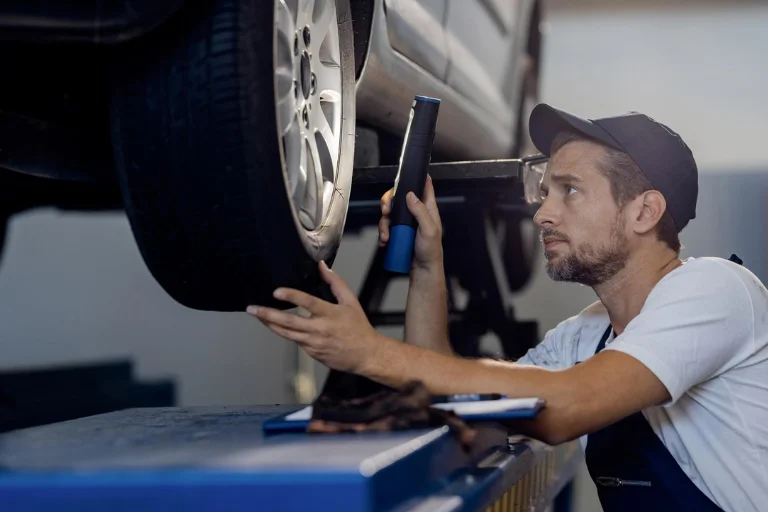
Routine inspections often reveal developing issues that can be addressed before they become major repairs.
Frequently Identified Issues
- Low Fluid Levels: Fluid loss may indicate leaks or maintenance needs.
- Worn Tires: Excessive wear can affect safety and fuel efficiency.
- Weak Batteries: Aging batteries may fail unexpectedly.
- Brake Wear: Brake pads and rotors naturally wear over time.
- Lighting Problems: Burned-out bulbs can affect safety and compliance.
A detailed fleet vehicle inspection checklist helps businesses identify these issues before they become costly repairs. Identifying these problems early helps businesses reduce repair expenses and improve vehicle reliability.
Best Practices for Monthly Fleet Inspections
Monthly inspections are most effective when performed consistently and documented properly.
Recommended Inspection Habits
- Inspect Vehicles on a Consistent Schedule: Monthly evaluations help identify changes in vehicle condition.
- Document Findings Immediately: Accurate records improve maintenance tracking.
- Address Issues Promptly: Early repairs help prevent larger mechanical failures.
- Maintain Detailed Records: Service history supports future maintenance planning.
- Review Inspection Trends: Recurring issues can reveal opportunities for improvement.
Following these practices alongside a structured fleet vehicle inspection checklist helps businesses improve reliability, reduce downtime, and control maintenance expenses.
Conclusion
A well-organised fleet vehicle inspection checklist helps businesses maintain safer, more reliable, and more efficient fleet operations. Monthly inspections allow fleet managers to identify developing issues before they require costly repairs and support preventive maintenance efforts. Consistently following a structured fleet maintenance checklist improves maintenance planning, reduces downtime, and extends vehicle lifespan.
Regular fleet vehicle inspection checklist also contribute to better operational performance and long-term cost control. Contact Guerrero Mobile Mechanics today for professional fleet inspections, maintenance, and repair services that keep your vehicles operating safely and efficiently across Houston.