Introduction
Tires play a critical role in fleet safety, efficiency, and overall vehicle performance. Poor tire maintenance can lead to increased fuel consumption, premature tire replacement, roadside breakdowns, and costly downtime. Because commercial vehicles often travel long distances and carry heavy loads, tire condition requires consistent attention.
A proactive approach helps businesses improve reliability while controlling operating expenses. Proper maintenance also supports driver safety and vehicle productivity. In this article, we explore practical fleet tire management strategies to help fleet owners improve safety, reduce costs, and extend tire lifespans.
What Is Fleet Tire Management?

Fleet tire management is the process of monitoring, maintaining, and optimizing tires across commercial fleet vehicles. It involves scheduled inspections, tire maintenance, performance tracking, and replacement planning to ensure vehicles operate safely and efficiently.
A structured fleet tire management program helps businesses reduce tire-related breakdowns, improve fuel economy, and extend tire lifespan. By maintaining proper tire condition, fleet operators can improve overall vehicle reliability and reduce long-term operating expenses.
Key Objectives
- Improve Vehicle Safety: Well-maintained tires support safe vehicle operation and handling.
- Reduce Tire Expenses: Proper maintenance helps maximize tire lifespan.
- Increase Fuel Efficiency: Correct tire pressure improves fuel economy.
- Extend Tire Lifespan: Regular inspections help prevent premature wear.
- Minimize Downtime: Proactive maintenance reduces unexpected tire failures.
Effective tire management supports both operational efficiency and long-term fleet performance.
Why Fleet Tire Management Matters?

Tires directly affect nearly every aspect of vehicle operation. Poor tire condition can negatively impact braking performance, handling, fuel efficiency, and overall safety.
Commercial fleets often operate under demanding conditions that accelerate tire wear. Frequent driving, heavy cargo loads, rough road surfaces, and changing weather conditions all contribute to tire deterioration.
Business Benefits
- Improved Driver Safety: Properly maintained tires provide better traction and stability.
- Better Vehicle Performance: Healthy tires improve handling and ride quality.
- Lower Operating Costs: Preventive maintenance helps reduce replacement expenses.
- Reduced Roadside Breakdowns: Regular inspections help identify problems early.
- Longer Tire Service Life: Consistent maintenance maximises tire service life.
A strong fleet tire management strategy helps businesses improve vehicle reliability while reducing avoidable maintenance expenses. The growing demand for efficient fleet operations is also driving investment in tire management solutions.
According to recent market research, the global fleet tire management market was valued at USD 8.7 billion in 2024 and is projected to reach USD 16.5 billion by 2033, growing at a 7.3% CAGR. This growth reflects the increasing focus on improving fleet safety, reducing operating costs, and maximizing tire performance.
Common Tire Problems in Commercial Fleets
Commercial vehicles experience significant tire wear throughout daily operations.
Frequently Encountered Issues
- Uneven Tire Wear: Often caused by improper alignment, inflation issues, or suspension problems.
- Underinflated Tires: Low pressure increases rolling resistance and accelerates wear.
- Overinflated Tires: Excess pressure can reduce traction and cause uneven tread wear.
- Alignment Problems: Poor alignment can shorten tire lifespan and affect handling.
- Tread Damage: Worn tread reduces traction and vehicle control.
- Road Hazard Damage: Nails, debris, and potholes can unexpectedly damage tyres.
Identifying these issues early is an important part of successful fleet tire management and helps prevent costly tire failures.
Essential Components of a Fleet Tire Management Program
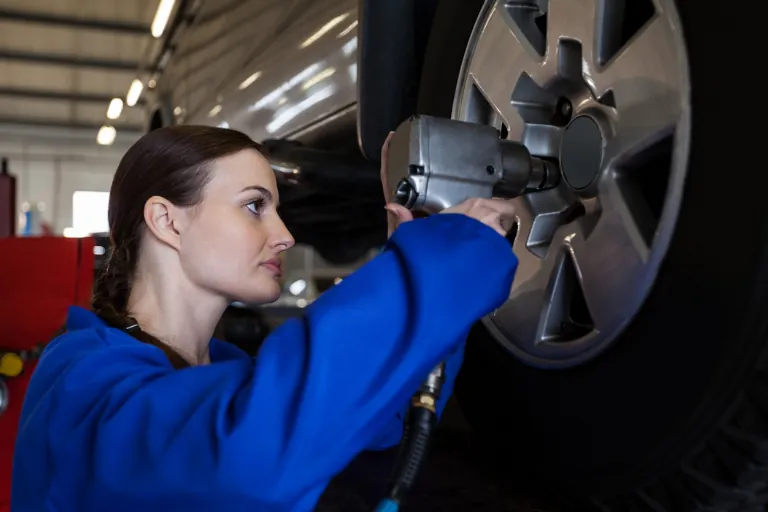
A successful tire maintenance program requires consistent monitoring and preventive maintenance.
Tire Pressure Monitoring
Maintaining proper tire pressure is one of the most important aspects of fleet tire management. Proper inflation improves fuel efficiency, handling, and tyre longevity while reducing unnecessary wear.
Tire Rotation Scheduling
Regular tire rotation promotes even tread wear across all tires. This helps maximize tire lifespan and maintain balanced vehicle performance.
Tread Depth Inspections
Monitoring tread depth helps ensure vehicles maintain adequate traction and braking performance. Regular inspections also help determine when replacement is necessary.
Wheel Alignment Checks
Proper wheel alignment reduces uneven wear and improves handling. Alignment inspections help protect tire investments and improve overall vehicle performance.
Tire Condition Assessments
Routine evaluations help identify punctures, cracks, sidewall damage, and other concerns before they become serious safety issues.
Together, these practices form the foundation of an effective fleet tire management program.
Establishing a Fleet Tire Inspection Schedule
Routine inspections help fleet managers identify maintenance needs before they lead to expensive repairs or roadside failures.
Monthly Tire Inspection Checklist
- Tire Pressure Verification: Confirm that all tires meet manufacturer-recommended specifications.
- Tread Depth Measurement: Monitor wear levels and identify replacement needs.
- Sidewall Damage Inspection: Check for cracks, cuts, bulges, or other damage.
- Valve Stem Inspection: Ensure valve stems remain secure and leak-free.
- Wheel Condition Evaluation: Inspect wheels for damage and excessive corrosion.
- Alignment Assessment: Look for signs of uneven tire wear that may indicate alignment issues.
A structured inspection process strengthens fleet tire management and helps maintain consistent fleet reliability.
The Role of Fleet Tire Services in Preventive Maintenance
Professional tire services help businesses maintain proper tire condition and reduce maintenance-related disruptions.
Common Fleet Tire Services
- Tire Installation
- Tire Balancing
- Tire Rotation
- Pressure Adjustments
- Alignment Services
- Tire Inspections
Regular tire services help ensure tires perform as expected throughout their service life. Professional maintenance also helps businesses identify developing issues before they lead to downtime or safety concerns. Many fleet operators include scheduled tire services as part of their preventive maintenance strategy to improve overall fleet reliability.
When Fleet Tire Repair Is the Right Solution
Not every tire issue requires complete replacement. In many situations, professional fleet tire repair can safely restore tire performance.
Situations Suitable for Repair
- Minor Tread Punctures: Small punctures located within repairable areas.
- Repairable Nail Damage: Certain nail punctures can be safely repaired.
- Small Air Leaks: Minor leaks may often be corrected without replacing the tire.
When Replacement Is Better
- Severe Sidewall Damage: Sidewall damage generally requires replacement.
- Excessive Tread Wear: Worn tires often no longer meet safety standards.
- Large Punctures: Significant damage may compromise tire integrity.
- Structural Damage: Internal damage often makes repair unsafe.
Professional fleet tire repair decisions should always prioritize safety and long-term reliability. Timely fleet tire repair can help reduce costs when damage is minor and repairable.
How Proper Tire Management Reduces Fleet Costs?
Tire maintenance directly affects operating expenses and fleet profitability.
Cost-Saving Advantages
- Longer Tire Lifespan: Proper maintenance delays the need for replacement.
- Improved Fuel Efficiency: Correct tire pressure reduces fuel consumption.
- Reduced Emergency Repairs: Preventive maintenance lowers unexpected expenses.
- Lower Downtime Costs: Fewer tire failures keep vehicles operational.
- Better Fleet Productivity: Reliable vehicles support daily operations.
Effective fleet tire management helps businesses control maintenance expenses while improving vehicle availability and performance.
Choosing Professional Fleet Tire Services
Selecting the right maintenance provider is an important part of long-term tire management.
What to Look For
- Commercial Fleet Experience: Providers should understand fleet maintenance requirements.
- Mobile Service Availability: On-site service helps reduce downtime.
- Fast Response Times: Prompt assistance improves fleet availability.
- Comprehensive Tire Solutions: Providers should handle inspections, maintenance, repairs, and replacements.
- Preventive Maintenance Support: Ongoing maintenance planning helps improve reliability.
Professional services provide the expertise and support needed to maintain consistent tire performance. Businesses should look for providers that offer dependable tire services tailored to commercial fleet operations.
Best Practices for Long-Term Fleet Tire Management
Long-term success requires consistency and proactive maintenance.
Recommended Strategies
- Maintain Proper Tire Pressure: Regular pressure checks help prevent premature wear.
- Inspect Tires Regularly: Frequent inspections help identify problems early.
- Rotate Tires on Schedule: Rotations promote even wear patterns.
- Monitor Tread Wear: Tracking tread condition supports timely replacement decisions.
- Train Drivers to Report Tire Issues: Early reporting helps prevent larger problems.
- Maintain Inspection Records: Documentation improves maintenance planning.
Following these practices strengthens fleet tire management, improves vehicle safety, and supports long-term operational efficiency.
Conclusion
Effective fleet tire management plays a vital role in fleet safety, reliability, and cost control. Regular tire inspections, pressure monitoring, tread evaluations, and preventive maintenance help businesses reduce downtime and extend tire lifespan. A proactive maintenance approach also improves fuel efficiency, vehicle performance, and overall operational productivity.
Professional fleet tire services and timely fleet tire repair help address issues before they become costly problems. Contact Guerrero Mobile Mechanics today for dependable tire inspections, maintenance, repairs, and on-site fleet support services that keep Houston fleets operating safely and efficiently.