Introduction
Commercial vehicles operate under demanding conditions every day. Whether transporting equipment, making deliveries, or supporting service operations, engines work hard to maintain productivity. Proper lubrication plays a major role in keeping vehicles reliable and efficient. A regular fleet oil change helps protect engine components, reduce wear, and improve overall performance.
However, many fleet operators are unsure how often to change the oil. Service intervals vary based on vehicle type, mileage, and operating conditions. In this article, we explore how often commercial vehicles need a fleet oil change and the factors that influence service intervals.
What Is a Fleet Oil Change Service?
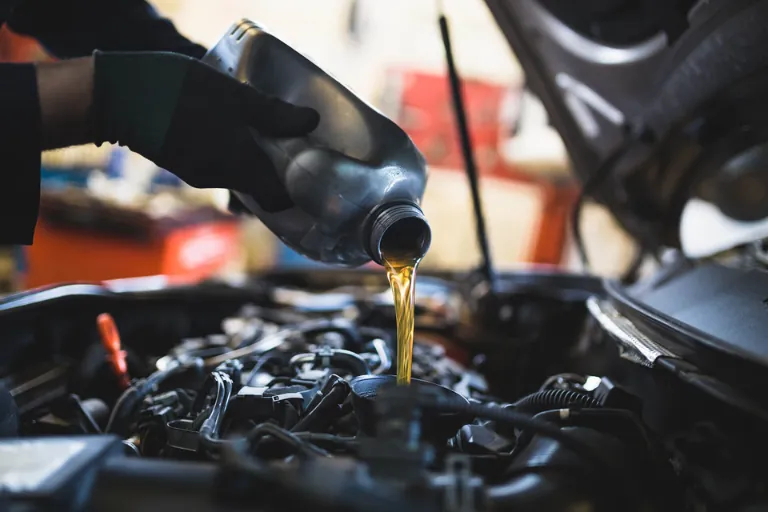
A fleet oil change is a routine maintenance service performed on commercial vehicles to replace old engine oil and install a new oil filter. The process helps ensure that engine components remain properly lubricated during daily operations. Unlike personal vehicles, fleet vehicles often follow scheduled maintenance intervals based on mileage, engine hours, or operating conditions.
A fleet oil change is commonly performed on service vans, delivery vehicles, work trucks, and other commercial fleets. The service may also include a basic inspection of fluid levels, filters, and visible engine components to help maintain consistent vehicle operation and performance.
Why Regular Fleet Oil Change Services Matter
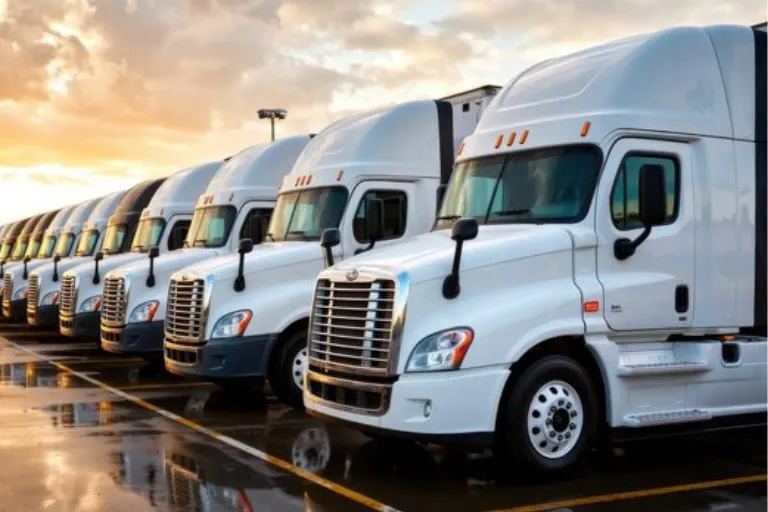
Commercial vehicles experience more stress than personal vehicles. Frequent driving, heavy loads, stop-and-go traffic, and long operating hours can all affect engine performance.
Key Benefits
- Improved Engine Protection: Clean oil helps reduce friction between moving engine components.
- Better Fuel Efficiency: Proper lubrication allows engines to operate more efficiently.
- Reduced Downtime: Regular maintenance lowers the risk of unexpected mechanical issues.
- Extended Vehicle Lifespan: Consistent servicing helps support long-term reliability.
A routine fleet oil change is one of the most important preventive maintenance services a business can perform. Clean oil helps engines operate smoothly while reducing the risk of costly repairs.
What Does a Fleet Oil Change Include?
Many fleet operators ask what is a full service oil change and whether it includes more than simply replacing engine oil.
Typical Service Components
- Engine Oil Replacement: Old oil is removed and replaced with fresh oil that meets manufacturer specifications.
- Oil Filter Replacement: A new filter helps remove contaminants from the lubrication system.
- Fluid Level Inspection: Technicians inspect the coolant, brake, transmission, and power steering fluid levels.
- Battery Check: Battery condition and connections are evaluated.
- Visual Engine Inspection: Technicians look for leaks, worn components, and other concerns.
- Belt and Hose Evaluation: Key engine components are inspected for wear and damage.
- Tire Pressure Check: Proper tire inflation supports fuel efficiency and vehicle safety.
Understanding what a full-service oil change is helps fleet managers recognise the value of preventive maintenance. In addition to oil changes, these inspections help identify developing issues before they require major repairs. A professional oil change often includes several maintenance checks that improve vehicle reliability.
How Often Do Commercial Vehicles Really Need a Fleet Oil Change?
There is no single service interval that applies to every commercial vehicle. The ideal schedule depends on how the vehicle is used and the operating conditions it experiences.
Factors That Affect Oil Change Frequency
- Vehicle Type: Light-duty vans and heavy-duty trucks often require different maintenance schedules.
- Mileage Accumulation: Higher mileage vehicles generally require more frequent service.
- Driving Conditions: Heavy traffic and stop-and-go driving increase engine stress.
- Engine Age: Older engines may benefit from shorter service intervals.
- Load Capacity: Vehicles carrying heavy loads place additional demands on engine systems.
- Idle Time: Vehicles that idle frequently may require oil changes sooner than expected.
Businesses should develop a maintenance schedule based on vehicle usage patterns. A proactive fleet oil change strategy helps reduce engine wear and supports dependable fleet performance.
Recommended Fleet Oil Change Intervals
Different types of commercial vehicles often require different maintenance schedules.
Light-Duty Commercial Vehicles
Many light-duty service vehicles can follow manufacturer-recommended oil change intervals. However, vehicles operating in demanding conditions may require more frequent service.
Service Vans and Delivery Vehicles
Vehicles that operate in city traffic often experience additional engine stress. Frequent stopping and idling may shorten the recommended fleet oil change interval.
Heavy-Duty Trucks
Heavy-duty commercial vehicles often operate under higher loads and more demanding conditions. Regular monitoring helps determine the most effective maintenance schedule.
High-Mileage Fleets
Vehicles that accumulate significant mileage throughout the year typically require closer monitoring and more frequent maintenance evaluations.
Rather than relying solely on mileage, businesses should consider operating conditions when planning a fleet oil change schedule.
Warning Signs Your Fleet Needs an Oil Change

Even when following a maintenance schedule, vehicles may show signs that service is needed sooner than expected.
Common Indicators
- Dark or Dirty Oil: Oil contamination can reduce the effectiveness of lubrication.
- Engine Noise: Increased engine noise may indicate insufficient lubrication.
- Reduced Fuel Economy: Poor oil condition can affect engine efficiency.
- Oil Warning Light: Dashboard alerts should never be ignored.
- Excessive Exhaust Smoke: Smoke may indicate engine performance concerns.
- Poor Engine Performance: Reduced responsiveness can sometimes be linked to the condition of the oil.
Recognizing these warning signs helps businesses schedule a fleet oil change before serious engine damage occurs. Early action can reduce repair costs and improve vehicle reliability.
The Cost of Delaying a Fleet Oil Change
Postponing maintenance may appear to save money initially, but the long-term consequences can be expensive.
Potential Consequences
- Increased Engine Wear: Dirty oil cannot effectively protect engine components.
- Reduced Fuel Efficiency: Engine performance may decline as lubrication quality decreases.
- Higher Repair Costs: Small maintenance issues can develop into major repairs.
- Unexpected Vehicle Downtime: Breakdowns often disrupt daily operations.
- Shortened Engine Lifespan: Poor maintenance can reduce overall vehicle longevity.
Delaying a fleet oil change often leads to higher operating expenses. Preventive maintenance remains far more affordable than major engine repairs or vehicle replacement.
Choosing Professional Fleet Oil Change Services
Selecting the right maintenance provider is important for long-term fleet reliability.
What to Look For
- Commercial Fleet Experience: Providers should understand the needs of business fleets.
- Flexible Scheduling: Service availability should support business operations.
- Quality Oils and Filters: High-quality products improve engine protection.
- Mobile Service Availability: On-site service reduces downtime.
- Maintenance Documentation: Accurate records support maintenance planning.
Professional services help businesses maintain consistency across their fleets. Experienced technicians can recommend appropriate service intervals and identify maintenance concerns early. Businesses comparing fleet oil change services should look for providers that offer preventive maintenance expertise and dependable support.
Why Are Mobile Fleet Oil Change Services Growing?
Many businesses prefer maintenance solutions that minimize operational disruptions. Growing investment in preventive vehicle maintenance is driving demand for professional oil change services. According to a report, the global oil change service market is expected to grow from USD 1.52 billion in 2025 to USD 2.07 billion by 2032, highlighting the increasing importance of regular maintenance for commercial fleets.
Advantages of Mobile Service
- On-Site Maintenance: Vehicles can be serviced on-site.
- Reduced Downtime: Technicians perform maintenance where vehicles are parked.
- Convenient Scheduling: Services can be arranged around business operations.
- Improved Fleet Availability: Vehicles return to service more quickly.
- Better Operational Efficiency: Less time is lost transporting vehicles to repair facilities.
Many businesses searching online for fleet oil change near me prefer mobile service because it offers greater convenience and flexibility. Mobile oil change services help reduce downtime while supporting efficient maintenance scheduling.
As demand continues to grow, more companies searching for fleet oil change near me are choosing mobile maintenance solutions for their fleets.
Building an Effective Fleet Maintenance Schedule
Oil changes should be part of a broader maintenance strategy that supports long-term vehicle performance.
Maintenance Planning Tips
- Track Mileage: Monitor vehicle usage and service intervals.
- Monitor Oil Condition: Evaluate oil quality during routine inspections.
- Maintain Service Records: Accurate documentation improves maintenance planning.
- Schedule Services Proactively: Preventive maintenance helps reduce repair costs.
- Review Vehicle Performance: Monitoring performance helps identify maintenance needs.
An organized maintenance program ensures that every oil change is completed on time. Businesses that plan proactively often experience fewer breakdowns and better fleet reliability. Companies searching for fleet oil change near me should also prioritize providers that support long-term maintenance planning.
Conclusion
A routine fleet oil change is one of the most important maintenance services for commercial vehicles. Regular oil changes help protect engines, improve fuel efficiency, reduce downtime, and support long-term reliability. Understanding what is a full service oil change also helps businesses recognize the value of preventive maintenance and vehicle inspections.
By following a proactive maintenance schedule and working with experienced providers offering professional services, businesses can improve fleet performance while controlling operating costs. Contact Guerrero Mobile Mechanics today for dependable on-site fleet maintenance and oil change solutions across Houston.