Introduction
Electric and hybrid vehicles are showing up in more Houston fleets, from delivery vans and service trucks to company sedans. They need less of some maintenance and more attention in other areas. Good EV fleet management starts with knowing what changes and what stays the same.
Brakes, tires, coolant, cabin filters, and suspension parts still wear out, and Houston’s heat, stop-and-go traffic, and long routes add to that wear. This guide explains EV fleet management in practical terms, including how EV fleet maintenance differs from a gas fleet and where fleet managers can cut downtime.
What Makes EV Fleet Management Different From Gas Fleets?
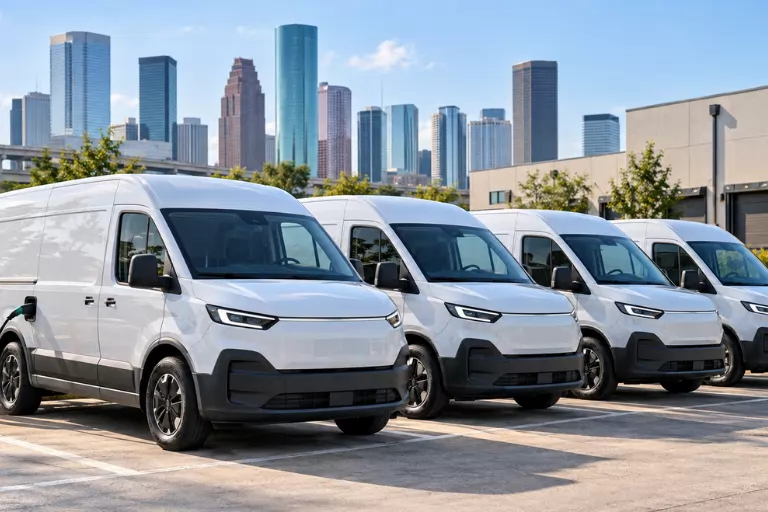
Electric vehicles have no engine oil, spark plugs, or exhaust system, so some routine services disappear. Hybrids keep a gas engine, so they still need oil changes and engine checks along with hybrid system inspections.
What replaces those traditional maintenance services is a different set of priorities:
- Battery Health and Charging Habits: Monitor battery performance and follow recommended charging practices to maintain efficiency and extend battery life.
- Tire Wear and Maintenance: Check tire pressure, tread depth, and alignment regularly, as EVs are often heavier and deliver instant torque that can increase tire wear.
- Brake System Condition: Inspect brake pads, rotors, and other components because regenerative braking reduces friction brake use, potentially allowing corrosion to develop.
- Battery and Power Electronics Coolant: Monitor coolant levels and follow manufacturer-recommended service intervals to prevent overheating and maintain system performance.
- 12-Volt Battery Maintenance: Check the condition of the 12-volt battery, which powers essential systems such as lights, door locks, and onboard computers.
Fleet managers who treat electric vehicles like gas vehicles with a plug often miss these items. Sound EV fleet management means building a schedule around how each vehicle type actually wears.
EV Fleet Maintenance Checklist
A simple checklist keeps small problems from turning into roadside calls. For each electric or hybrid vehicle, check:
- Tire pressure, tread depth, and uneven wear.
- Brake pads, rotors, and brake fluid. Rotors can rust from light use.
- Coolant level and condition in the battery and electronics loops.
- The 12-volt battery and terminals.
- Cabin air filter and air conditioning performance.
- Suspension, steering, and wheel bearings.
- Charging port and cable condition.
- Warning lights and stored diagnostic codes.
Hybrids also need engine oil, air filter, and belt checks on the usual schedule. Following this kind of EV fleet maintenance routine at regular intervals makes it easier to spot problems before a vehicle goes out of service.
How Houston’s Climate Affects EV Fleet Management
Houston heat is hard on batteries, tires, and cooling systems. Running the air conditioning most of the year also draws power and shortens driving range for electric vehicles. Heat wears rubber parts, hoses, and the 12-volt battery faster too.
Humidity and heavy rain add their own problems. Water can reach connectors, underbody parts, and brake components, and flooding during storm season needs special care. Any vehicle that has driven through standing water should be inspected before it returns to service. Planning for these conditions is a core part of EV fleet management in this area. Shorter tire inspection intervals, regular coolant checks, and range planning for hot days all help.
Common Repairs in Electric and Hybrid Fleets
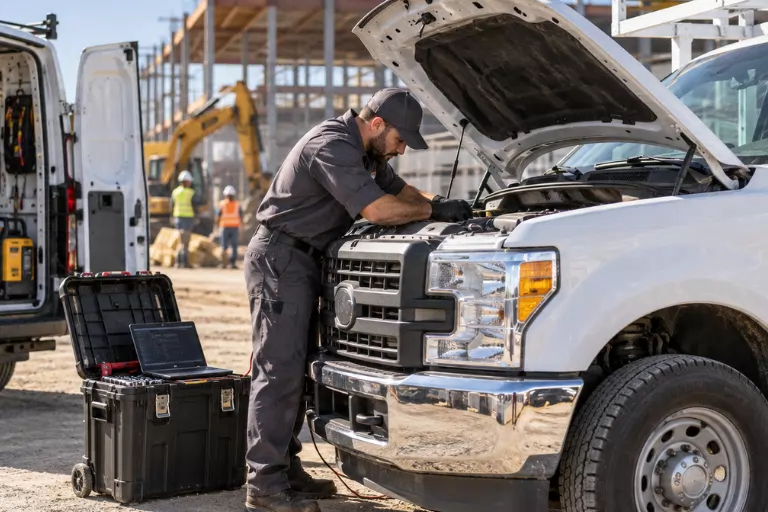
Most repair needs that come up in EV fleet management are not high-voltage problems. Typical jobs include:
- Tire replacement and alignment after faster-than-expected wear.
- Brake service, including cleaning and lubricating caliper hardware.
- 12-volt battery replacement.
- Coolant service and leak repair.
- Suspension and steering repairs from potholes and rough roads.
- Cabin filter and air conditioning service.
High-voltage battery and drive unit repairs need specialized training and equipment, and are usually handled by a dealer or certified shop. Knowing which category a problem falls into saves time and keeps you from sending a vehicle to the wrong place.
Why Fleet Management Services Matter
Keeping a mixed fleet running takes scheduling, record keeping, and quick repairs. Fleet management services help by organizing inspections, tracking service history, and handling repairs so vehicles spend less time out of service.
According to the International Energy Agency (IEA), global electric car sales increased by more than 20% in 2025, reaching approximately 21 million vehicles, with one in four new cars sold worldwide being electric. This growing adoption highlights the importance of EV fleet management and preventive maintenance as businesses plan for electric and hybrid vehicles.
Useful support for electric and hybrid vehicles includes:
- Scheduled inspections based on mileage or hours of use.
- Service records for each vehicle.
- Fast response when a vehicle is down.
- Repair support for tires, brakes, batteries, and fluids.
Can a Mobile Mechanic Support EV Fleet Management?
A mobile mechanic can handle many of the jobs above at your lot, yard, or job site. A van doesn’t need to leave its route for a brake job or battery swap, and drivers stay productive.
Mobile service works well for inspections, tires, brakes, 12-volt batteries, fluids, and many suspension repairs. For high-voltage systems or work that needs a vehicle lift, a specialized facility is the better choice. Using both is a practical way to handle EV fleet management without losing vehicles for days.
Tracking Costs and Downtime in EV Fleet Management
Electric vehicles can lower fuel costs and some maintenance costs, but tires, brakes, and repair labor can cost more or less depending on the model. Track costs per vehicle instead of assuming savings.
Useful metrics for tracking electric vehicle (EV) fleet performance and maintenance costs include:
- Cost Per Mile: Track the total operating cost per mile, including electricity, maintenance, repairs, and other vehicle expenses.
- Tire and Brake Replacement Intervals: Monitor how frequently tires and brake components require replacement to plan maintenance and control costs.
- Vehicle Downtime: Measure the number of days each vehicle remains out of service per month due to repairs, maintenance, or technical issues.
- Repair History by Vehicle Model: Maintain detailed repair records for each vehicle model to identify recurring problems and compare reliability.
- Charging Downtime: Track the time spent charging on each route to evaluate operational efficiency and minimize service interruptions.
After a few months, these figures show which models cost more to keep running and where EV fleet management decisions, such as tire choice or inspection timing, make a difference.
Training Drivers to Protect the Fleet
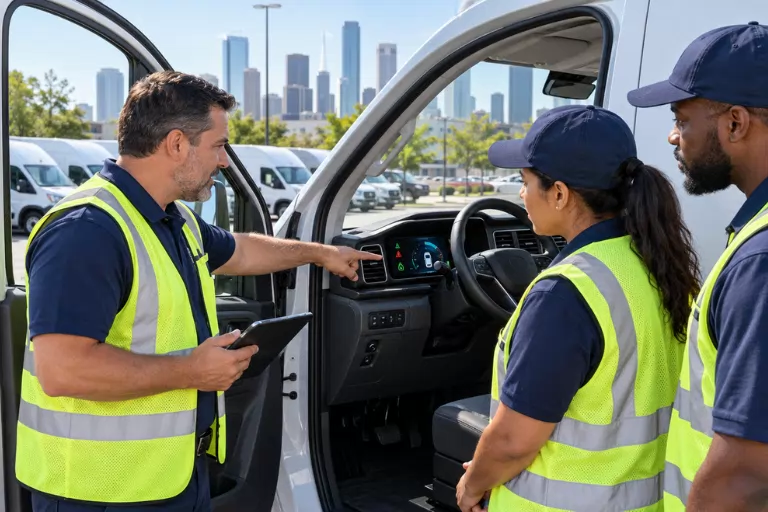
Driver habits directly affect vehicle performance, maintenance costs, and long-term reliability. Fleet managers should train drivers to follow these essential practices:
- Smooth Acceleration: Encourage gradual acceleration to reduce tire wear, improve energy efficiency, and extend driving range.
- Proper Braking Techniques: Train drivers to use regenerative braking effectively and avoid unnecessary harsh braking to reduce wear on brake components.
- Early Warning Reporting: Drivers should immediately report dashboard warning lights, unusual noises, or changes in vehicle performance.
- Charging Problem Reporting: Encourage drivers to report charging failures, slow charging, or connection issues before they cause operational delays.
Regular driver training supports effective EV fleet management by reducing unnecessary wear, identifying problems early, and minimizing costly vehicle downtime.
Conclusion
Electric and hybrid vehicles change what fleets need to maintain, but they don’t remove maintenance. Houston’s heat, humidity, and flooding risk make regular inspections more important. Clear schedules, cost tracking, and prompt repairs are the base of good EV fleet management.
Choosing reliable fleet management services and sticking to a schedule keeps vehicles earning instead of sitting in a yard. If your electric or hybrid vehicles need EV fleet management support, contact Guerrero Mobile Mechanics to talk through your fleet’s needs.