Introduction
Buying a used car can be challenging if critical systems like the brakes are overlooked. A thorough Brake Service is essential for ensuring vehicle safety and avoiding costly repairs. During a pre-purchase evaluation, a professional brake inspection helps identify worn components and hidden issues that might not be obvious at first glance.
In this article, we explore how expert mechanics detect brake problems and what to look for. We learned why a brake inspection before buying car is a must for peace of mind and safety.
Common Brake Problems Found in Vehicles
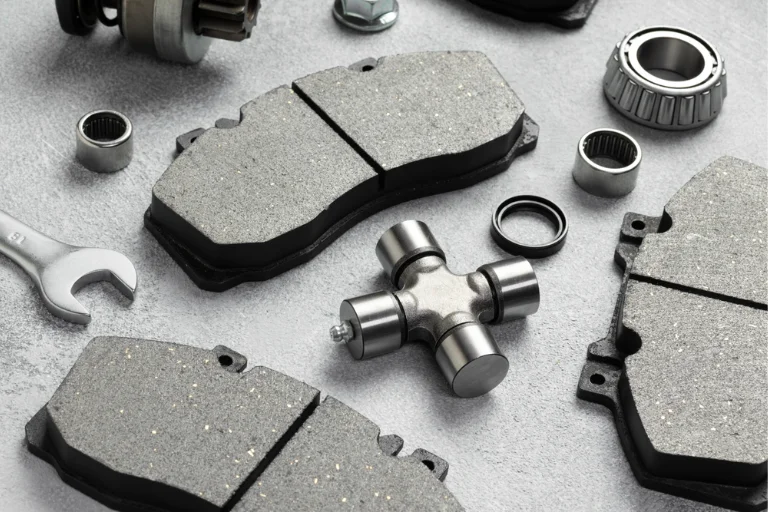
According to research, 7,083 brake-failure incidents rose 32% to 9,333 cases the following year. Most failures were due to overheated callipers, leading to vapour lock and sudden brake failure. This highlights why a Brake Service and proper brake inspection before buying car are essential.
Typical problems a professional Brake Service can reveal:
- Worn Brake Pads: Pads wear down over time, reducing braking efficiency and increasing stopping distance.
- Warped Rotors: Excessive heat or improper maintenance can cause rotors to warp, leading to vibrations or pulsations during braking.
- Leaking Brake Fluid: Low fluid or leaks reduce braking power and may damage other components.
- Sticking Callipers: Callipers can cause uneven wear, dragging brakes, or compromised stopping performance.
- Noisy Brakes: Squeaking or grinding often indicates worn pads, damaged rotors, or loose hardware.
Recognizing these problems during a brake inspection before buying car helps you plan for repairs and ensures a safer, cost-effective purchase. Regular Brake Service can prevent these issues from escalating over time.
How Mechanics Detect Brake Problems?
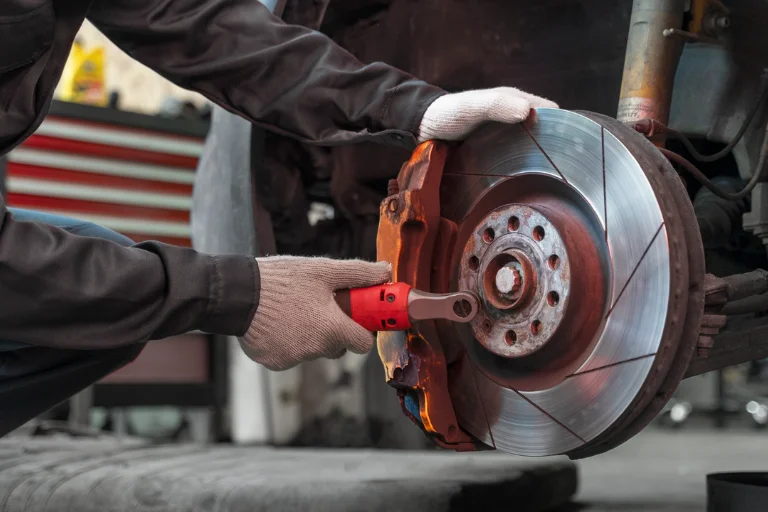
A thorough brake inspection evaluates every component of the braking system. Mechanics combine visual checks, road performance tests, and advanced diagnostics to uncover both obvious and hidden issues.
This ensures that all potential problems are identified before you buy a vehicle, giving you peace of mind and safety. A complete Brake Service also improves long-term vehicle reliability.
Visual Examination of Brake Components
The first step in a professional Brake Service is a detailed visual inspection. Mechanics carefully check each part of the braking system to identify wear, damage, or early signs of failure.
- Brake Pad Condition: Inspect thickness and wear; pads below recommended levels need replacement.
- Rotor Surface Check: Look for grooves, rust, warping, or uneven surfaces that affect braking.
- Calipers and Lines Inspection: Examine for corrosion, leaks, or sticking calipers.
- Brake Fluid Status: Assess fluid level and condition; dark or contaminated fluid indicates issues.
- Hardware and Mounts Check: Ensure bolts, clips, and mounts are secure and functioning.
This visual inspection forms the foundation of a reliable brake inspection before buying car and is a key step in every comprehensive Brake Service.
Road Test Performance
After the visual inspection, mechanics perform a controlled road test to observe real-world braking performance. This step reveals issues that might not be visible during a static check.
- Pedal Response Test: Evaluate brake pedal feel and consistency under braking.
- Vibrations and Pulling Check: Detect pulling, shaking, or unusual noises during braking.
- Parking Brake Function: Test holding power on slopes and inclines.
- Performance in Different Conditions: Assess braking efficiency at low and high speeds.
A road test is a critical part of any Brake Service, helping detect problems and confirming the findings of the initial brake inspection.
Advanced Diagnostic Checks
Modern vehicles include electronic systems and precise components that require specialized tools for accurate evaluation. Advanced diagnostics are essential for uncovering hidden or internal issues.
- Rotor and Pad Measurements: Check rotor run-out and pad thickness to ensure safe operation.
- Electronic System Scan: Inspect Anti-lock Braking System (ABS), Electronic Brakeforce Distribution (EBD), and other braking systems for fault codes.
- Hydraulic Pressure Testing: Detects leaks or uneven pressure distribution in the brake system.
- Master Cylinder and Line Check: Confirm consistent hydraulic performance across all wheels.
Advanced diagnostics complement visual inspections, ensuring a comprehensive brake inspection before buying car and a thorough Brake Service.
Evaluating Brake Wear Indicators
Many modern vehicles include wear sensors and monitoring systems. Inspectors use these indicators, combined with historical service data, to assess brake health.
- Brake Sensor and Warning Lights: Check for low-pad warnings or system alerts.
- Review of Service History: Confirm regular maintenance and identify recurring issues.
- Rotor and Pad Replacement Records: Predict when future replacements may be needed.
- Electronic Alert Verification: Ensure ABS and traction control warnings are functioning correctly.
Evaluating wear indicators allows mechanics to predict potential issues before they become critical. This evaluation completes a full Brake Service assessment and reinforces the importance of a detailed brake inspection.
Signs that Indicate Brake Problems
Even a car with a seemingly clean inspection may display subtle signs of brake issues:
- Spongy Brake Pedal: Could indicate air in the lines or low brake fluid.
- Pulling to One Side: May result from sticking calipers or uneven pad wear.
- Longer Stopping Distance: Suggests worn pads, contaminated rotors, or hydraulic problems.
- Grinding or Squealing Noises: Often due to metal-on-metal contact from worn pads.
- Vibrations: Typically caused by warped rotors or uneven pad surfaces.
Identifying these symptoms during a brake inspection before buying car helps buyers make an informed decision and negotiate repairs if needed. Frequent Brake Service can prevent these issues from escalating.
Importance of Professional Brake Service
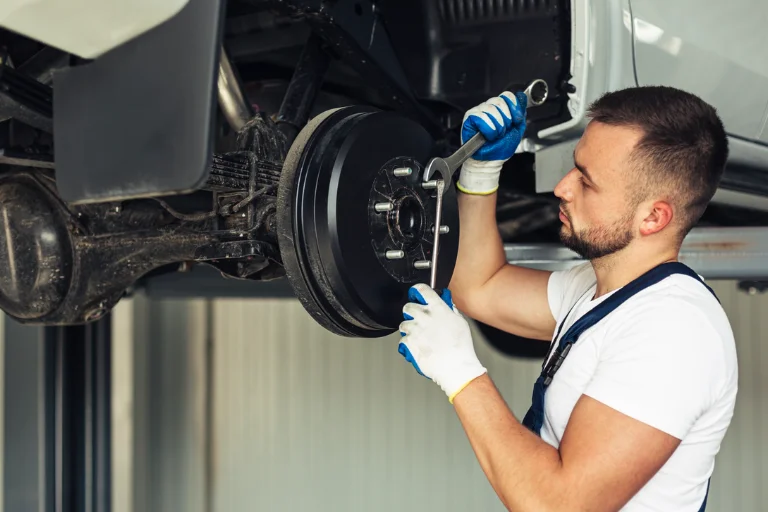
A professional Brake Service during a pre-purchase inspection provides several advantages:
- Ensures safety for the driver, passengers, and others on the road.
- Avoids unexpected repair costs by detecting problems early.
- Improves resale value through verified maintenance records.
- Ensures compliance with local safety regulations.
By combining visual checks and diagnostics, professional mechanics deliver a reliable assessment, highlighting why brake inspection is an essential part of every purchase.
Tips for Buyers During a Brake Inspection
Keep these key tips in mind to make the most of your brake inspection.
- Request a Detailed Report: Ask for notes on pad thickness, rotor condition, and fluid status.
- Check Service History: Review past Brake Service and repairs.
- Consider Replacement Costs: Factor in immediate repairs into the purchase price.
- Take a Test Drive: Experience braking performance personally.
- Check Warning Lights: Ensure ABS, brake, and traction control indicators function properly.
Following these steps during a brake inspection before buying car ensures you make a cost-effective purchase and reinforces the value of a professional brake inspection.
Conclusion
Detecting brake problems before purchasing a vehicle is crucial for safe and reliable driving. Professional Brake Service combines visual checks, road tests, and diagnostics to uncover hidden issues, worn pads, warped rotors, or fluid problems. Recognizing signs such as spongy pedals, pulling, or noises allows buyers to negotiate repairs and avoid unexpected costs.
Investing in a thorough brake inspection before buying car ensures peace of mind. For expert assistance, trust Guerrero Mobile Mechanics for comprehensive Brake Service and safe vehicle evaluations before purchase.