Introduction
Driving can be stressful enough without your steering wheel shaking unexpectedly. This unsettling experience is more than just a problem; it could indicate serious issues with your vehicle that need immediate attention.
Understanding why your shaking wheel while driving can help you prevent accidents, avoid costly repairs, and ensure a safe ride every time you’re on the road. In this article, we explore the top 5 reasons your steering wheel shakes while driving. This article also highlights the common causes, such as failed wheel bearing and tire issues, that may require professional attention.
Worn or Unbalanced Tires

One of the most common and easily overlooked causes of steering wheel shaking is worn or unbalanced tyres. Tires that are not properly balanced can cause strong vibrations that transfer directly to the steering wheel, especially when driving at higher speeds or on uneven surfaces.
Signs to Overlook For:
- Uneven or patchy tire wear that worsens over time.
- Vibrations that appear at specific speed ranges.
- Thumping or rhythmic noises while driving, especially on smooth roads.
Regular tire rotation, balancing, and timely replacement when needed can significantly reduce steering wheel shaking and improve both comfort and vehicle control.
Failed Wheel Bearing
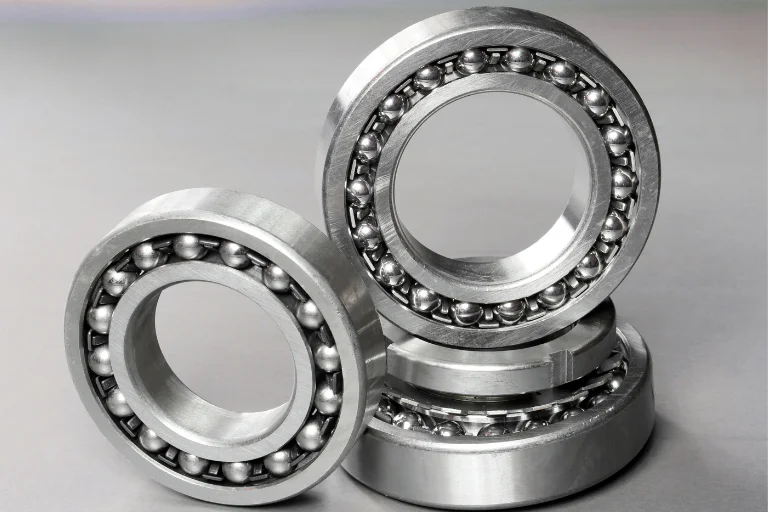
A failed wheel bearing is a serious mechanical issue that can cause noticeable steering wheel shaking and even threaten your safety if ignored. Wheel bearings enable your wheels to rotate smoothly, and when they fail, increased friction leads to vibration, heat buildup, and strange noises.
According to studies, since the rise of front-wheel-drive vehicles in the 1960s, wheel bearings have played a vital role in reducing vehicle weight and improving driving efficiency.
Symptoms of a Failed Wheel Bearing:
- Persistent grinding, humming, or growling noises coming from one side of the car.
- Steering wheel vibration while driving at both low and high speeds.
- Irregular or uneven tire wear despite proper alignment and pressure.
Driving with a failed wheel bearing can be dangerous, as it may eventually lead to wheel lock or complete bearing failure. If you suspect this issue, have your vehicle inspected by a qualified mechanic immediately.
Misaligned Wheels
Proper wheel alignment is essential for a smooth, controlled, and safe driving experience. Misaligned wheels can easily cause your steering wheel to shake and significantly reduce your car’s handling performance. Poor alignment usually results from hitting curbs, potholes, or normal suspension wear over time.
Signs of Misalignment Include:
- The car pulls or drifts to one side even when driving on a straight road.
- Uneven tire wear that develops more quickly on one side.
- Noticeable vibration in the steering wheel at moderate to high speeds.
Regular alignment checks not only prevent steering wheel shaking but also extend tire lifespan and improve overall fuel efficiency.
Brake System Issues
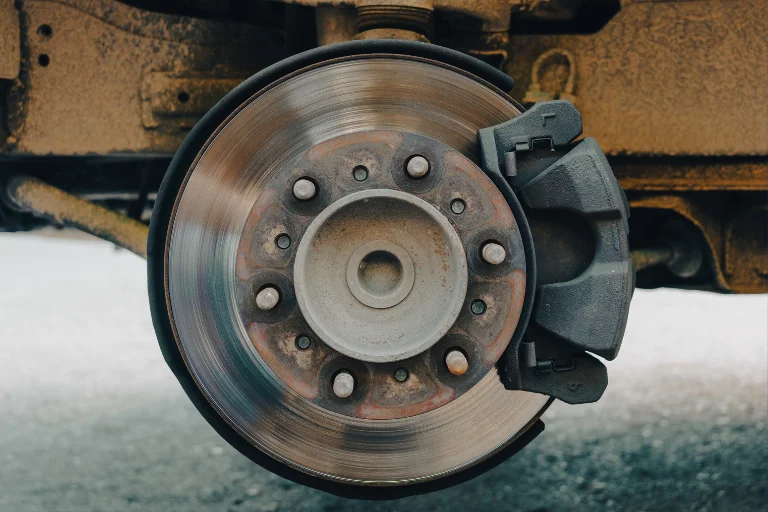
Sometimes, steering wheel shaking occurs specifically during braking, which often points to problems within the brake system. Warped or uneven brake rotors are usually the cause. The brake pads cannot make smooth contact, so you feel pulsations through the steering wheel.
Indicators of Brake-Related Steering Wheel Shaking:
- The steering wheel shakes or vibrates mainly when braking.
- Squealing, scraping, or grinding noises while slowing down
- The car may pull slightly to one side when braking, reducing stability.
Fixing warped rotors, resurfacing uneven ones, or replacing worn brake pads usually eliminates vibration and restores safe, confident handling.
Suspension and Steering Component Problems
Your vehicle’s suspension and steering systems are designed to absorb road shocks and maintain consistent stability. Worn or damaged parts, such as tie rods, control arms, or shock absorbers, can cause significant steering wheel shaking. This also reduces your control over the car.
Common Warning Signs:
- Excessive or continuous vibration when driving over uneven or bumpy roads. This can make driving uncomfortable and affect vehicle control.
- Clunking or knocking noises when turning or going over speed bumps. These sounds indicate worn suspension or steering components.
- Difficulty keeping the vehicle straight, especially on highways. Misalignment or worn parts can cause the car to drift and require constant correction.
Routine inspections and timely replacement of worn components are crucial to preventing steering wheel shaking and ensuring a smooth driving experience overall.
Other Possible Reasons for Steering Wheel Shaking
While the above are the most common reasons, other factors can also contribute to steering wheel shaking:
- Loose Lug Nuts:
Wheels that are improperly tightened can wobble, causing steering instability. This can make the vehicle pull to one side and affect overall handling. Over time, it may also lead to uneven tire wear and additional stress on suspension components.
- Engine Issues:
Misfires or unbalanced engine components can create noticeable vibrations. These vibrations can be felt through the steering wheel and the vehicle body. If left unaddressed, they may reduce engine efficiency and lead to more serious mechanical problems.
- Drive Shaft Problems:
In rear-wheel or all-wheel-drive vehicles, a damaged drive shaft may cause shaking during acceleration. This can affect smooth power delivery and put extra strain on the transmission. Ignoring these issues may result in costly repairs and unsafe driving conditions.
How to Prevent Steering Wheel Shaking?
Regular maintenance of your vehicle is key to avoiding steering wheel shaking and related problems. Here are some practical tips:
- Regular Tire Maintenance: Rotate, balance, and replace tires as recommended to prevent uneven wear and improve handling.
- Check Wheel Bearings: Have bearings inspected if you notice unusual vibrations or noises to avoid further damage.
- Schedule Alignment Checks: Align wheels every 12,000 miles or as recommended by your manufacturer for smoother, more comfortable driving.
- Inspect Brakes: Replace worn brake pads and resurface warped rotors promptly to maintain safe stopping power.
- Monitor Suspension and Steering Components: Replace worn tie rods, control arms, or shocks as needed to keep your vehicle stable.
By following these simple steps, you can reduce the chance of shaking wheel while driving and enhance vehicle safety.
When to See a Mechanic?
If you experience persistent steering wheel shaking, don’t ignore it. It could be a sign of serious issues, such as a failed wheel bearing or suspension failure.
Visit a certified mechanic immediately to avoid accidents and prevent further damage. Remember, timely attention can save you both money and stress while keeping your car safe and comfortable to drive.
Conclusion
Steering wheel shaking while driving is more than just a disturbance. It can indicate tire problems, a failed wheel bearing, or worn suspension parts. Regular vehicle maintenance and timely inspection can prevent most causes of steering wheel shaking.
If you’re dealing with a shaking wheel while driving, let Guerrero Mobile Mechanics help. Their certified technicians provide expert on-site wheel alignment and suspension repair service, right where you are. Enjoy fast, reliable service that saves you time and keeps you steady mile after mile.