Introduction
Have you ever noticed your car pulling to one side or your steering wheel feeling slightly off-center? These are common signs that your vehicle may need a wheel alignment. Keeping your car in peak condition requires regular maintenance, and proper alignment is one of the most essential yet overlooked services.
It ensures smoother handling, longer tire life, and better fuel efficiency while preventing costly repairs. This article explores everything you need to know about wheel alignment, tire alignment, and wheel alignment cost.
What Is Wheel Alignment, and How Does it Work?
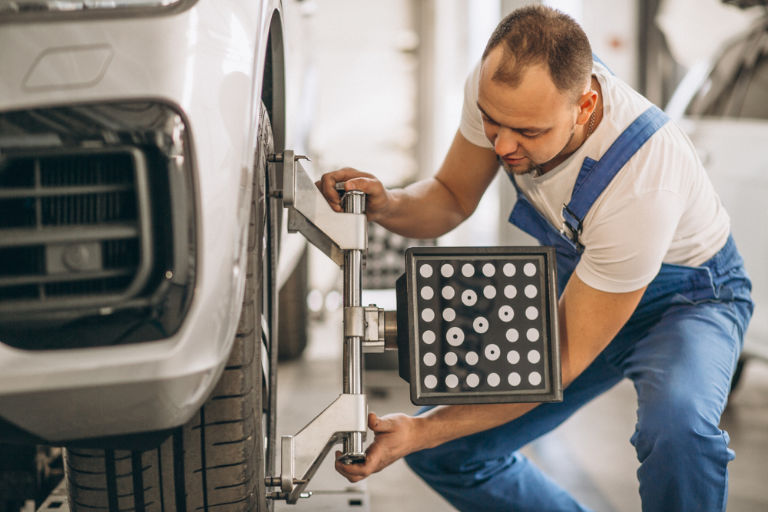
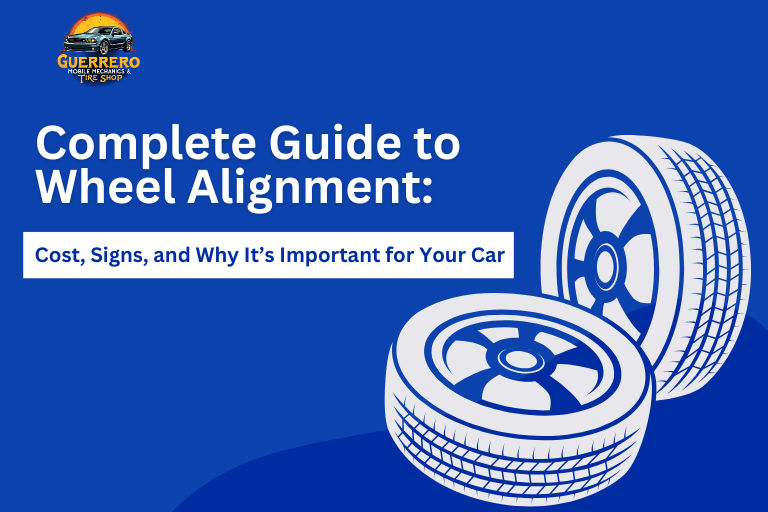
Wheel alignment refers to adjusting the angles of your car’s wheels to meet manufacturer specifications. These adjustments, known as camber, caster, and toe, ensure your tires make optimal contact with the road.
Proper alignment helps maintain balanced steering, stability, and even tire wear. It’s typically done using a computerized machine that measures wheel angles and corrects them precisely.
Key Benefits of Proper Wheel Alignment
- A correctly aligned vehicle steers effortlessly and handles more predictably on turns.
- Proper alignment distributes pressure evenly across all tires, extending their lifespan.
- The engine uses less power with reduced rolling resistance, saving fuel over time.
- Balanced wheels protect shocks, struts, and steering components from unnecessary stress.
- Proper alignment keeps your car stable at high speeds and during sudden stops.
Signs Your Car Needs a Wheel Alignment
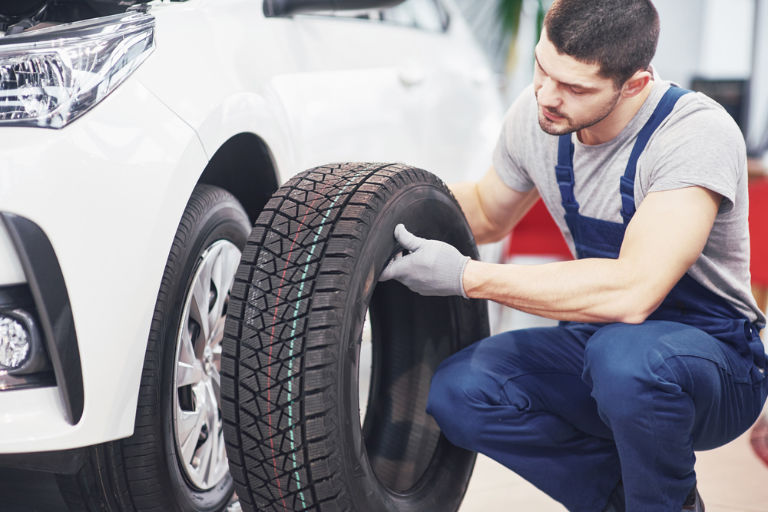
Driving with misaligned wheels can negatively affect both safety and performance. Watch for these common warning indicators that your vehicle may need a professional wheel alignment service soon:
- Uneven Tire Wear: If one edge of your tires wears down faster, it’s a strong sign of improper tire alignment or unbalanced wheel angles. According to a study, tire lifespan can drop by up to 98% when the front toe-in angle is out of alignment, even by a few degrees.
- Steering Wheel Vibration: When the steering wheel shakes, especially at higher speeds, misaligned wheels could create uneven tire pressure.
- Vehicle Pulling: Poor alignment is often to blame if your car consistently drifts left or right, even on a straight, level road.
- Squealing Tires: Misalignment increases friction between tires and the road, leading to squealing or chirping noises when you turn.
- Loose Handling: A car that feels unstable, wanders, or reacts too quickly to steering input may have misaligned wheels.
- Off-Center Steering Wheel: Alignment correction is likely needed if the steering wheel isn’t straight when driving forward.
Wheel Alignment Cost: What to Expect
Understanding wheel alignment cost helps you plan better maintenance. Prices depend on your vehicle type, alignment type, and location.
Typical Alignment Costs are as follows:
- Two-Wheel Alignment: This service, which costs $50–$75, is ideal for vehicles with a solid rear axle. It focuses on adjusting only the front wheels for correct alignment.
- Four-Wheel Alignment: This service costs $100–$150 and is recommended for modern cars, SUVs, and all-wheel-drive vehicles where all four wheels need precise calibration.
- Luxury or Sports Cars: Due to their advanced suspension systems, these vehicles often require specialized equipment and expert handling, and they cost $200 or more.
Some auto shops offer free alignment checks or discounted packages when bundled with tire alignment or rotation services.
Common Factors That Influence the Cost
- Larger or performance vehicles generally cost more to align due to complex suspension setups.
- The more your wheels are out of line, the longer the service takes, increasing labor costs.
- High-tech laser or computerized alignment tools may raise prices but ensure greater precision.
- Worn-out parts such as tie rods, ball joints, or control arms may need replacement during alignment.
Investing in timely wheel alignment prevents expensive tire replacement and improves long-term performance.
Why Wheel Alignment Is Important for Every Car?
Regular alignment isn’t just about keeping your car driving straight; it’s about ensuring it performs safely and efficiently on the road.
- Improves Handling and Safety
With proper wheel alignment, your car responds accurately to steering input, providing better control in emergency maneuvers and on slippery roads.
- Extends Tire Life
Misalignment causes tires to wear unevenly, shortening their lifespan. Regular tire alignment ensures uniform wear across all tires, saving you from premature replacements.
- Boosts Fuel Efficiency
A misaligned car creates more road resistance, forcing your engine to work harder. Proper alignment reduces drag and improves fuel economy.
- Protects the Suspension System
When wheels are out of alignment, suspension components endure additional stress. Routine wheel alignment helps maintain suspension integrity and prevents unnecessary wear.
- Provides a Smoother Ride
If you’ve noticed vibrations or pulling while driving, chances are your wheel alignment is off. Getting it fixed restores driving comfort and stability.
How Often Should You Get Wheel Alignment Done?
It’s generally recommended to schedule a wheel alignment every 12,000 miles or once a year, whichever comes first. However, this interval can vary depending on your driving style, road conditions, and vehicle type.
Drivers who frequently travel on uneven roads, encounter potholes, or carry heavy loads may need to align their wheels more often to maintain proper handling and tire performance. You should consider an alignment service sooner if you notice any of the following:
- Even a substantial impact can knock your wheels out of alignment and affect steering precision.
- If your steering wheel doesn’t easily return to the center position, it’s likely time for an adjustment.
- Uneven tread wear indicates misalignment that can shorten tire lifespan.
- If your vehicle drifts left or right when driving straight, alignment angles are likely off.
- After major replacements, alignment ensures components work together correctly.
Regular tire alignment ensures consistent performance, especially for those who drive long distances, tow heavy loads, or often travel on rough terrain.
What Happens If You Ignore Wheel Alignment?

Ignoring wheel alignment issues can lead to long-term mechanical problems that cost far more than the initial service. Misalignment affects multiple systems in your car, reducing both performance and safety.
- Uneven Tire Wear: Causes premature tread damage and early tire replacement, which can be expensive if left unchecked.
- Reduced Fuel Economy: Misaligned wheels create extra rolling resistance, forcing the engine to work harder and burn more fuel.
- Steering Problems: Makes your car harder to control during turns or sudden maneuvers, especially at higher speeds or on wet roads.
- Suspension Damage: Adds unnecessary strain to shocks, struts, and ball joints, leading to costly suspension repairs.
- Safety Hazards: Increases stopping distance and increases the risk of skidding or losing traction in emergencies.
By maintaining regular wheel alignments, you can extend your car’s lifespan and ensure your daily drives remain safe, smooth, and efficient.
Tips to Maintain Proper Wheel Alignment
To make your alignment last longer and save money on ongoing maintenance, follow these simple yet effective driving habits:
- Avoid Hitting Potholes Whenever Possible: Sudden impacts can knock your wheels out of alignment and damage suspension components.
- Check Tire Pressure Monthly: Properly inflated tires wear evenly and help maintain stable alignment angles.
- Rotate Tires Every 5,000–6,000 Miles: Regular rotation promotes uniform tread wear, supporting consistent alignment performance.
- Don’t Overload Your Car Beyond Recommended Capacity: Excess weight can stress the suspension system and alter alignment geometry.
- Schedule Wheel Alignment After Suspension: To ensure precision, any work involving control arms, tie rods, or struts should be followed by an alignment check.
Simple habits like these help prevent misalignment, improve handling, and maintain optimal fuel efficiency, giving you a safer and more comfortable ride whenever you’re on the road.
Conclusion
Proper wheel alignment is more than a routine service; it’s essential for safety, fuel economy, and tire performance. Ignoring misalignment can lead to uneven wear, poor handling, and costly future repairs.
Understanding wheel alignment cost and scheduling regular tire alignment protects your car’s efficiency and comfort. Don’t let minor issues grow into expensive repairs. Contact Guerrero Mobile Mechanics today for expert wheel alignment service and enjoy a smoother drive with better control.