Introduction
Minor dents and dings can ruin your car’s appearance, but repairing them doesn’t always mean a full repaint. Paintless Dent Repair (PDR) offers a modern solution to restore your vehicle’s body without affecting the original paint. It’s faster, cost-effective, and preserves your car’s value.
Whether it’s hail damage paintless dent repair, knowing when to use repair can save you time and money. In this article, we learn how Paintless Dent Repair works and when it’s the best choice for your car.
What is Paintless Dent Repair?
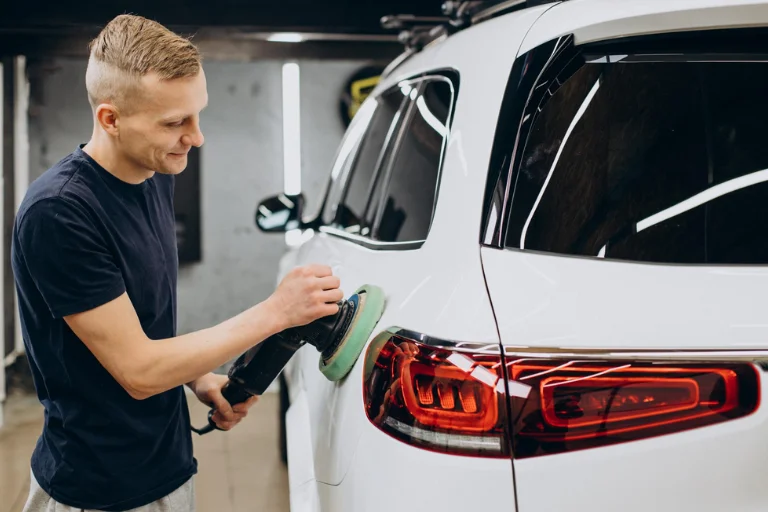
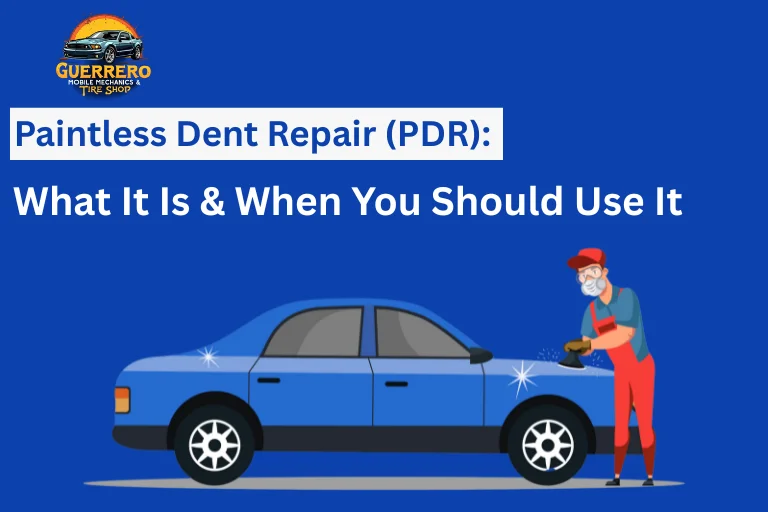
Paintless Dent Repair is a technique used to remove minor dents and dings from a vehicle’s body without affecting the original paint finish. Skilled technicians access the metal panel behind the dent and use specialized tools to massage and gently reshape it until it’s smooth again.
Because the original paint remains intact, the repair retains factory finish and color matching. This method avoids sanding, filling, or repainting.
Why Choose Paintless Dent Repair?
When it comes to fixing minor dents and dings, PDR offers several advantages over traditional dent repair methods. It not only restores your car’s appearance but also saves time, money, and effort.
Here’s why many vehicle owners prefer Paintless Dent Repair:
- Preserves Factory Finish: By keeping the original paint intact, PDR maintains the car’s original quality and avoids mismatched paint. This ensures your vehicle retains its factory look and maximizes resale value.
- Faster Turnaround: Most Repair jobs are completed within a few hours or a single day, much quicker than conventional body shop repainting, so that you can get back on the road sooner.
- Cost‑Effective for Small Dents: Minor dents cost less than full-body paint and filler work. According to recent industry surveys, most independent shops use combination PDR kits, which reduce equipment costs by about 30%, making minor dent repairs even more economical.
- Less Invasive: There is no filler, sanding, or repainting, so the vehicle’s value is better preserved, which can be especially important if you plan to sell or trade in your car.
When You Should Use Paintless Dent Repair?
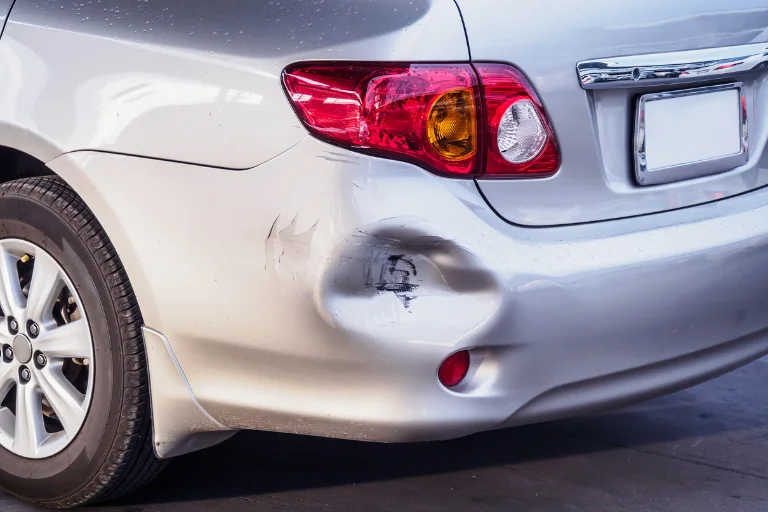
Paintless Dent Repair (PDR) is a highly effective method for fixing minor dents without compromising your vehicle’s original paint. However, not every dent qualifies for this technique.
Understanding the ideal repair scenarios can help you decide whether it’s the right solution for your car.
Small to Medium-Sized Dents
Paintless Dent Repair works best for small to medium-sized dents. These dents often result from everyday incidents, such as a door bump in a parking lot or a minor fender bender.
Shallow dents without deep creases are ideal for PDR. Technicians can easily manipulate the metal back into its original shape without causing additional damage.
Intact Paint Surface
One key requirement for Paintless Dent Repair is that the paint surface must be intact. If the paint is cracked, chipped, or deeply scratched, traditional dent repair methods are usually more appropriate.
PDR relies on the metal’s elasticity beneath the paint, so preserving the factory finish ensures a smooth, invisible repair.
Accessible Metal Panels
For Paintless Dent Repair to work effectively, technicians must have access to the metal panel behind the dent. While doors, hoods, and fenders are usually accessible, some areas with complex curves, creases, or tight corners might be challenging to reach. If the panel cannot be accessed, achieving a seamless repair may not be possible.
Quick and Cost-Effective Solution
Paintless Dent Repair is particularly suitable for those seeking a fast, efficient fix. Cosmetic dents on visible areas can be repaired in a few hours.
This does not require expensive materials or lengthy labor. PDR is an excellent choice for vehicle owners who want high-quality repairs with minimal disruption to their daily routine.
When the dent is minor and the panel is accessible, this repair offers a visually seamless, efficient solution. It is an ideal choice for preserving your car’s original finish and value while quickly restoring its appearance.
Understanding Paintless Dent Repair Cost
Several factors influence paintless dent repair cost:
- Size and Depth of the Dent: Larger or deeper dents require more effort to access and reshape.
- Location of the Dent: Dents on flat, accessible panels (like doors or fenders) are cheaper to fix than those on curved or hard‑to-reach panels (like near creases, trunk edges, or complex body lines).
- Number of Dents: Multiple dents on various panels increase labor time and cost.
- Accessibility Behind the Panel: If technicians must remove internal components (door panels, trim, tail-light housings) to reach the dent, the cost increases.
- Labor Rates and Shop Overhead: Prices vary across shops; specialized Paintless Dent Repair technicians often charge premium rates for experience and quality work.
Why Hail Damage Paintless Dent Repair Can Be a Smart Choice?
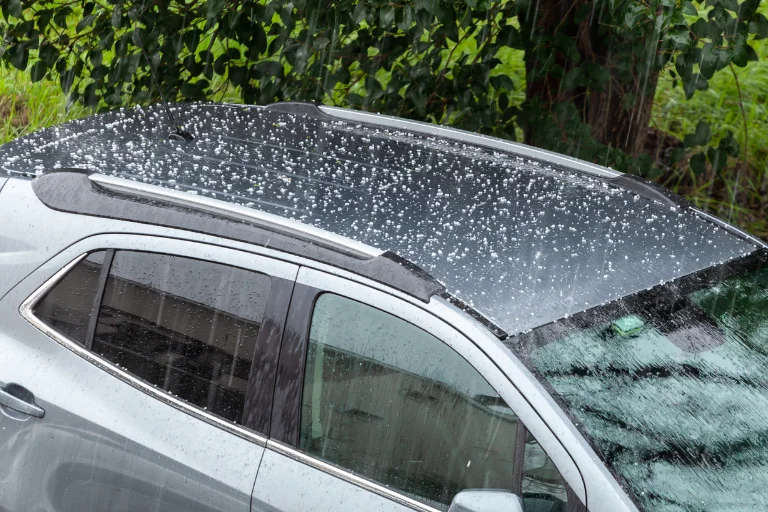
Hail often leaves many minor dents. Paintless Dent Repair restores shape while keeping the factory paint intact. Usually, hail damage paintless dent repair offers:
- A more affordable fix compared to replacing or repainting multiple panels.
- Faster turnaround when multiple dents are repaired at once.
- Preservation of your vehicle’s original condition is essential for resale value and insurance claims.
In hail‑damage scenarios, hail damage paintless dent repair becomes not just a convenience, but often the most cost-effective and efficient solution.
Limitations and When PDR May Not Work
Paintless Dent Repair does have limitations. It may not be suitable when:
- The dent has broken or cracked the paint, or deep scratches have penetrated the clear coat.
- The metal is severely stretched or creased beyond simple reshaping.
- The dent is on a part with limited access behind the panel (e.g., near wheel wells or areas with hidden supports).
- Rust or corrosion has begun, making reshaping risky and potentially leading to paint cracking or metal failure.
When these conditions are present, traditional dent repair or more extensive body work may deliver a better long-term result.
Conclusion
Paintless Dent Repair is a reliable, efficient, and affordable method to fix minor dents while maintaining your vehicle’s original finish. For minor dents, door dings, or hail damage paintless dent repair saves money and time while preserving resale value. However, deeper dents or damaged paint may require traditional dent repair.
Take action today and get your car looking flawless again. For expert, convenient, and mobile dent repair services, trust Guerrero Mobile Mechanics to handle your vehicle with care and professionalism.