Introduction
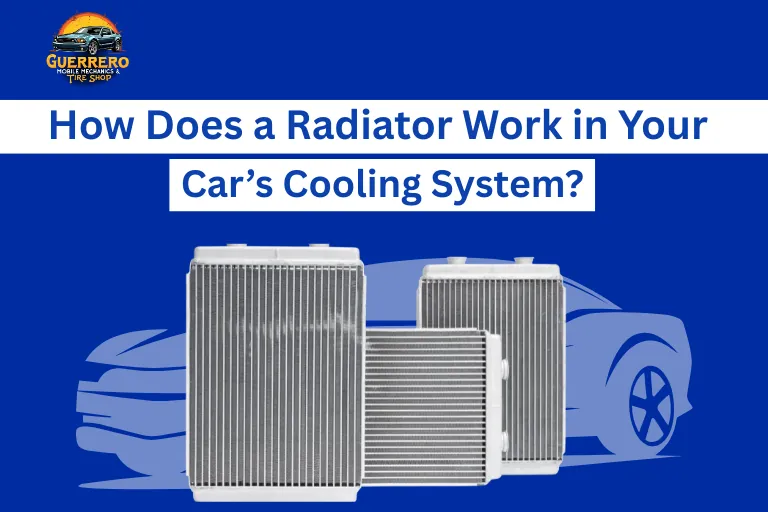
A car cooling system is crucial in maintaining your engine’s performance and preventing overheating. Without it, your vehicle could face severe damage from excess heat. Among its essential components, the radiator stands out as the primary heat exchanger that controls the engine temperature.
Understanding how does a radiator work helps you identify potential issues early. This article explores the radiator function and explains how it supports the cooling system to ensure long-lasting engine health.
Understanding the Car’s Cooling System
The car cooling system ensures the engine operates within the optimal temperature range, preventing overheating and overcooling. It regulates engine heat produced during combustion and transfers it away efficiently.
Key components of a cooling system include:
- Radiator: The primary heat exchanger that releases heat from the coolant into the air, keeping the engine cool and efficient.
- Water Pump: Circulates coolant through the system, moving hot fluid from the engine to the radiator and back.
- Thermostat: Regulates coolant flow based on temperature to prevent overheating.
- Cooling Fan: Improves airflow through the radiator, especially when stationary.
- Coolant: Absorbs engine heat and prevents corrosion within the car cooling system.
How Does a Radiator Work in a Car Cooling System?
When it comes to maintaining temperature balance, many drivers ask, how does a radiator work in a car cooling system? The process is simple yet highly effective.
Step-by-Step Breakdown
- Coolant Absorbs Heat
The coolant flows through the engine block and cylinder head, capturing excess heat produced during fuel combustion and carrying it away from vital components.
- Transfer to Radiator
The heated coolant moves through rubber hoses into the radiator, spreading through fine tubes designed for maximum surface contact.
- Heat Dissipation
As the coolant travels through the radiator’s thin metal fins, heat escapes rapidly into the air passing through the grille while the car moves forward.
According to research, polymeric hollow-fibre heat exchangers achieved about 20% higher thermal performance than traditional aluminium automotive radiators under similar conditions. These results show how material innovations improve car cooling system efficiency.
- Cooling Fan Activation
When the vehicle idles or moves slowly, the cooling fan automatically switches on to improve airflow through the radiator, enhancing the cooling process.
- Return Flow
Once the coolant temperature drops, it flows back to the engine, repeating this continuous heat exchange cycle to keep the engine temperature stable.
This consistent process defines how does a radiator work, maintaining an ideal engine temperature and ensuring efficient performance.
The Radiator Function in the Car Cooling System
The radiator function is the heart of the car cooling system. It removes excess heat from the coolant and stabilizes engine temperature under all driving conditions.
Major radiator function roles include:
- Heat Exchange: Transfers absorbed heat from the coolant to the surrounding air for maximum cooling performance.
- Maintaining Pressure Balance: Keeps the system sealed, preventing coolant from boiling or escaping.
- Engine Longevity: Prevents piston seizure and oil breakdown caused by overheating.
- Coolant Regulation: Works with the thermostat to ensure timely coolant flow.
Without proper radiator operation, the entire system can fail, leading to expensive repairs.
Types of Radiators in Modern Car Cooling Systems
Different vehicles use various radiator designs to improve cooling efficiency and durability. Here are the most common ones found in modern car systems:
- Crossflow Radiator: Coolant moves horizontally through the core, allowing more even heat dissipation and efficient cooling during high-speed driving.
- Downflow Radiator: Coolant flows vertically from top to bottom, a design typically used in older cars that still provides reliable temperature regulation.
- Dual Pass Radiator: The coolant travels through the radiator twice before returning to the engine, offering better cooling efficiency for performance vehicles.
- Aluminium Radiator: This modern option is popular for its efficiency and longevity. It is lightweight, rust-resistant, and excellent at conducting heat.
Each design enhances the radiator work, optimizing the system for specific performance and environmental needs.
Importance of a Radiator in a Car Cooling System
The car cooling system relies heavily on the radiator to ensure smooth and safe operation. It affects everything from performance to fuel economy.
Why the radiator is important:
- Prevents Engine Overheating: It keeps the engine temperature in the safe range, even during long drives or in extreme weather.
- Enhances Performance: Provides consistent cooling that helps maintain engine power output and fuel combustion efficiency.
- Improves Fuel Efficiency: A stable engine temperature reduces unnecessary strain and optimizes fuel consumption.
- Reduces Emissions: Proper temperature control ensures cleaner combustion and minimizes harmful exhaust gases.
Common Radiator Problems in the Car Cooling System
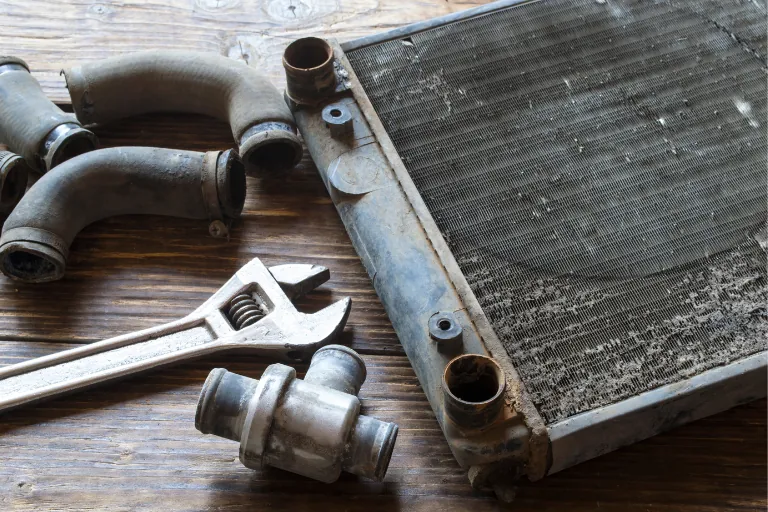
Even the most durable system can encounter issues over time. Recognizing them early prevents expensive repairs.
Frequent radiator issues include:
- Coolant Leaks: Leaks often caused by damaged hoses, loose clamps, or corroded tanks, leading to gradual coolant loss and engine overheating.
- Clogged Radiator Fins: Dirt, bugs, and debris can block airflow through the fins, decreasing cooling efficiency and causing higher engine temperatures.
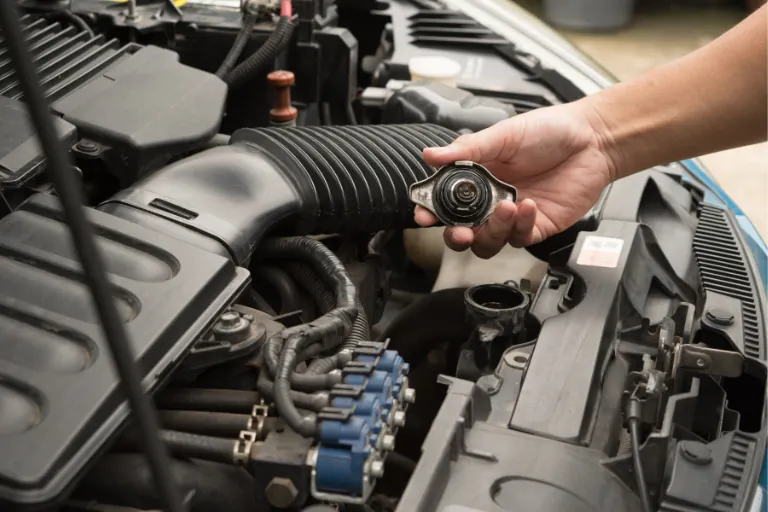
- Faulty Radiator Cap: A worn or damaged cap can cause pressure imbalance, coolant evaporation, and even boiling.
- Rust and Corrosion: Over time, old coolant or moisture can corrode the radiator’s internal passages, restricting flow and heat transfer.
- Thermostat Failure: When stuck closed, it prevents coolant from reaching the radiator, resulting in overheating or temperature fluctuations.
Timely system inspection helps prevent these common issues from turning into major breakdowns.
Maintaining Radiator Function for a Healthy Car Cooling System
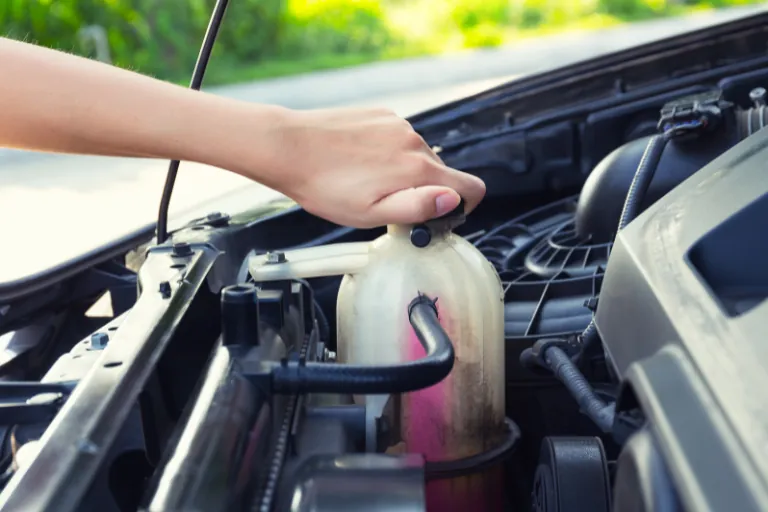
Proper radiator care is crucial to keep your system performing at its best.
Maintenance tips:
- Check Coolant Levels Regularly: Always ensure coolant is between the minimum and maximum marks; low levels can lead to air pockets and overheating.
- Flush the Radiator: A complete flush every 30,000–50,000 miles removes sludge, rust, and contaminants that reduce heat transfer efficiency.
- Inspect for Leaks: Examine hoses, joints, and seals for drips or stains, as early detection prevents costly repairs.
- Clean Radiator Fins: Regularly remove dust and debris using compressed air or a soft brush to maintain optimal airflow.
- Monitor Temperature Gauge: Any unusual readings or steam under the hood may signal an issue that requires immediate attention.
Conclusion
A well-maintained car cooling system is the backbone of smooth vehicle performance. Understanding how does a radiator work and ensuring regular inspection of the radiator function prevents overheating and costly repairs.
Keeping the radiator clean, coolant fresh, and all components together boosts engine life and fuel efficiency. For expert inspection, repair, and complete car cooling system service, contact Guerrero Mobile Mechanics. Our certified professionals deliver reliable, on-site care to keep your engine running calm, strong, and dependable.