Introduction
Your vehicle’s air conditioning system depends on the AC compressor, often called the heart of the cooling unit. When this crucial part begins to fail, comfort, efficiency, and even safety can be compromised.
But how can you identify early signs of car AC compressor failure and prevent costly repairs? In this article, we explore the most reliable indicators, causes, and solutions for a failing car aircon compressor, helping you maintain a smooth driving experience.
What Is an A/C Compressor?
An AC compressor is the heart of your vehicle’s cooling system. It compresses and circulates refrigerant, making it possible to absorb heat and deliver cool air into the cabin.
Without a properly working car aircon compressor, your system fails to provide comfort, especially during hot weather. A malfunctioning compressor often leads to weak airflow, warm air, or a complete breakdown.
The Role of the A/C Compressor in Your Vehicle
The AC compressor cools the cabin and ensures smooth refrigerant flow and balanced air pressure. When a compressor fails, the system suffers, often showing signs like loud noises, refrigerant leaking, or inconsistent cooling. Addressing these issues early prevents further damage and keeps your compressor reliable.
Early Warning Signs of a Bad AC Compressor

Spotting early signs of trouble with your compressor can save you from costly repairs and total system breakdown. Monitor for these less obvious but essential indicators:
- Intermittent Cooling Cycles: The compressor may cool for a while and then stop, showing inconsistency that often develops before complete car A/C compressor failure.
- Dashboard Warning Lights: Some vehicles display error codes linked to the compressor, warning drivers before the unit stops working.
- Excessive Vibration: Strong shaking or noticeable vibration when the AC is switched on can point to problems inside the car aircon compressor.
- Higher Fuel Consumption: A struggling compressor forces the engine to work harder, reducing fuel efficiency and stressing other AC parts.
- Weak Airflow from Blower and Evaporator: When the evaporator or blower starts failing, airflow becomes weak or uneven, putting extra strain on the AC compressor. Research shows that these two parts cause nearly 50% of AC system failures, making them essential to watch closely.
Are you already noticing these warning signs? Why wait? Check out our car compressor repair service before it gets worse.
Common Causes of Car AC Compressor Failure

Several issues contribute to car AC compressor failure, including:
- Lack of Refrigerant Lubrication: When refrigerant levels are low, the compressor parts don’t stay lubricated, leading to friction and premature wear.
- Electrical Faults in the Clutch: Damaged wires or a faulty clutch prevent your car’s compressor from engaging, stopping the cooling process entirely.
- Overheating Due to Clogged Condenser: A blocked condenser prevents heat from escaping, causing the AC compressor to overwork and eventually fail.
- Poor Maintenance and Infrequent Servicing: Skipping regular AC inspections allows minor problems to build into costly compressor damage.
- Contamination Inside the Car Aircon Compressor: Dirt, moisture, or debris inside the refrigerant lines can clog the compressor and reduce efficiency.
By addressing these causes early, you can extend the lifespan of your compressor.
How do you test if your AC compressor is going bad?
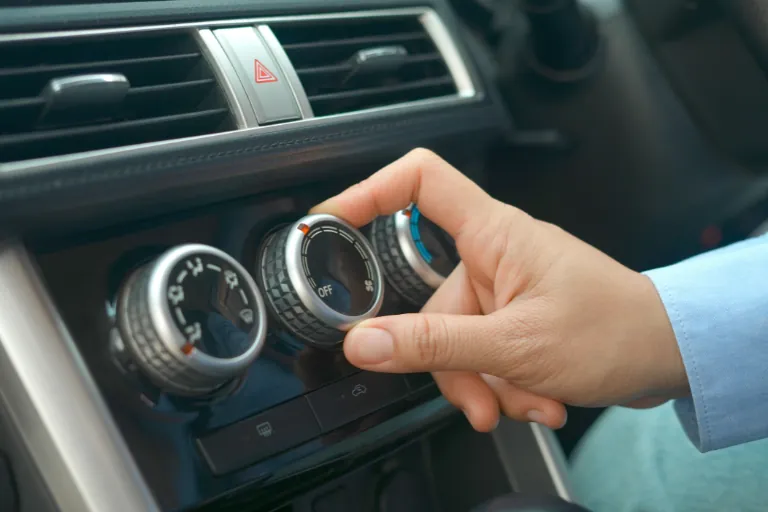
To check your AC compressor, try these steps:
- Turn on the AC at maximum cooling. The compressor may malfunction if the air feels weak or warm.
- Listen for clicking or grinding sounds from the AC compressor. Unusual noises suggest internal mechanical damage.
- Observe airflow from the vents. Weak or inconsistent airflow may indicate compressor failure or related issues.
- Inspect for leaks or refrigerant stains near the compressor. Puddles, oily residue, or refrigerant spots are signs of leakage.
- Check the compressor clutch for proper engagement. The car air conditioner compressor won’t circulate refrigerant if the clutch doesn’t engage.
A certified mechanic should confirm the diagnosis if your inspection suggests car AC compressor failure.
How Much Does AC Compressor Replacement Cost?
Replacing an AC compressor is one of the more expensive car AC repairs. Costs vary depending on vehicle type and labor rates:
- Standard Vehicles: Standard vehicles cost about $700–$1,000, including parts and labour, but costs may rise if additional components, such as the condenser or refrigerant lines, need replacement.
- Luxury Models: It costs about $1,200–$1,700, due to their complex systems, Premium cars often require specialized compressors and higher labor costs.
- Hybrid or Electric Vehicles: The cost is higher due to specialized parts. These models use advanced cooling technology and require technicians with specialized training, which significantly raises the price.
Investing in timely repairs helps you avoid total car compressor failure, which may damage other components.
Tips to Prevent Car AC Compressor Failure
You can reduce the chances of car aircon compressor damage with these habits:
- Run the AC for at least 10 minutes weekly, even in winter, to keep refrigerant circulating and seals properly lubricated.
- Schedule routine inspections for refrigerant levels since low refrigerant causes the compressor to overwork and wear out faster.
- Replace the cabin air filter regularly to maintain proper airflow and reduce extra strain on the AC system.
- Clean the condenser and ensure debris doesn’t block airflow, preventing the compressor from overheating under pressure.
Prevention is the most cost-effective way to extend your compressor’s life.
When Should You Call a Professional for AC Compressor Issues?
While some signs of compressor failure are obvious, diagnosing the exact cause requires professional tools and expertise. Mechanics can:
- Check refrigerant pressure levels to ensure the system is circulating correctly.
- Identify electrical faults in wiring, relays, or sensors that may affect the compressor function.
- Inspect the car aircon compressor clutch to see if it engages and disengages as needed.
- Replace or repair damaged components safely without risking refrigerant leaks or contamination.
DIY methods may help you identify symptoms, but repairs should be left to qualified technicians.
Conclusion
If ignored, a failing AC compressor can leave you sweltering in the heat and facing expensive repairs. Recognizing early warning signs of car AC compressor failure, such as strange noises, leaks, or warm airflow, helps you take action before the problem worsens.
Maintaining your car’s air conditioning compressor with regular service and addressing issues promptly ensures a comfortable and reliable driving experience. Don’t wait, schedule your professional AC inspection with Guerrero Mobile Mechanics today and keep your vehicle’s cooling system working at its best.