Introduction
When a vehicle suddenly refuses to start, many drivers immediately suspect the battery, but the real problem may be the starter or alternator instead. Knowing the difference helps you spot symptoms, avoid paying for the wrong repair, and decide faster. Alternator replacement cost depends on vehicle type, part quality, and labor, and so does starter cost.
A confirmed diagnosis is the only reliable way to know what failed before you spend money on either repair. This guide breaks down how each system works, the warning signs of failure, and what typically drives each repair’s price.
How the Alternator and Starter Work Together
The starter and alternator serve different roles in the same electrical system, which is exactly why their symptoms sometimes get confused.
What the Starter Does
The starter turns the engine over when you first attempt to start the vehicle, using electrical power drawn directly from the battery. If the starter fails, the engine may not crank even though other electrical components appear to work.
What the Alternator Does
The alternator takes over once the engine is running. It recharges the battery and powers the vehicle’s electrical components including lights, sensors, and accessories, for as long as the engine stays on.
Because both parts connect to the same starting and charging system, a failure in one can produce symptoms that look like the other. Confirming which one failed before paying for a repair, including an alternator replacement cost you may not actually need, starts with correctly identifying the symptoms below.
According to a report, the global automotive alternator and starter motor market reached $33.49 billion in 2025 and is expected to rise to $55.07 billion by 2034, growing at a CAGR of 5.68%. This growth reflects continued demand for starting and charging components across passenger cars, commercial vehicles, and other automotive applications.
Starter vs. Alternator: Common Signs and Key Differences
A car that will not start can point to either the starter or the alternator, and some symptoms can overlap. Guessing wrong here can mean paying for an alternator replacement cost when it wasn’t the problem. The key difference is when the problem appears: a failing alternator often gives warning signs while the vehicle is running, while a bad starter usually causes trouble when you try to start the engine.
Signs of a Failing Alternator
- Battery warning light appears on the dashboard
- Headlights dim or flicker while driving
- Electrical accessories lose power or respond slowly
- The battery repeatedly goes dead
- The engine stalls shortly after starting
- Unusual noises come from the engine area
Because the alternator keeps the battery charged while the engine runs, a failing unit can eventually leave the vehicle unable to restart. That is why drivers may compare alternator replacement cost with the price of a new battery before confirming which component is actually causing the problem.
Signs of a Failing Starter
- A clicking sound when turning the key or pressing the start button
- The engine does not crank
- Slow or inconsistent cranking
- Grinding noises during startup
- Intermittent starting problems
- No response even when the battery is charged
A weak battery or corroded cable can cause similar symptoms, so check the battery and connections before replacing the starter. Drivers often ask how much is a starter for a car when these signs appear, but the final cost depends on the vehicle and the confirmed diagnosis.
If the lights and electrical accessories work normally but the engine will not crank, the starter may be the problem. If the vehicle starts but loses electrical power or battery charge while running, the alternator may be responsible. Ruling out an unnecessary alternator replacement cost early, instead of assuming the battery is at fault, helps avoid paying for the wrong repair.
Starter vs. Alternator Replacement Cost Comparison

Starter and alternator repairs often fall within a similar price range, but the final cost depends on the vehicle, part quality, labor rate, and how difficult the component is to access. Comparing the two side by side gives a clearer idea of what drivers may expect to pay.
Average Starter Replacement Cost
The average starter replacement cost typically ranges from $728 to $820, including parts and labor. The total can be lower on vehicles where the starter is easy to reach and higher on models that require removing additional components during replacement. The car starter cost itself may represent only part of the final bill, especially when labor time is significant.
Average Alternator Replacement Cost
The average alternator replacement cost typically ranges from $747 to $842, including both parts and labor. Vehicles with easily accessible alternators may fall toward the lower end of the range, while more complex engine layouts can increase labor charges and raise the total.
Factors That Affect Starter and Alternator Replacement Cost
Both alternator replacement cost and starter replacement cost vary from one vehicle to another. The final price depends mainly on the vehicle design, the replacement part selected, and the amount of labor required. No single price applies to every car.
Vehicle Make, Model, and Accessibility
Vehicle design strongly affects repair costs. Some alternators and starters are in easy-to-reach areas and can be replaced with minimal disassembly. Others sit behind or beneath additional engine components that technicians must remove to reach them.
More complicated engine layouts increase labor time, which can raise both alternator replacement cost and starter replacement cost. Luxury vehicles, larger engines, and tightly packed engine bays may also require more specialized repair procedures.
Type and Quality of Replacement Part
The type of replacement component also affects the final price. Common options include:
- New OEM parts
- Remanufactured units
- Aftermarket alternatives
New OEM components generally cost more, while remanufactured or aftermarket parts may provide a more affordable option. The choice can directly affect the final car starter cost or alternator replacement price. The right option depends on the vehicle’s age, manufacturer requirements, expected reliability, warranty coverage, and how long the owner plans to keep the vehicle.
Why Accurate Diagnosis Matters Before Replacement
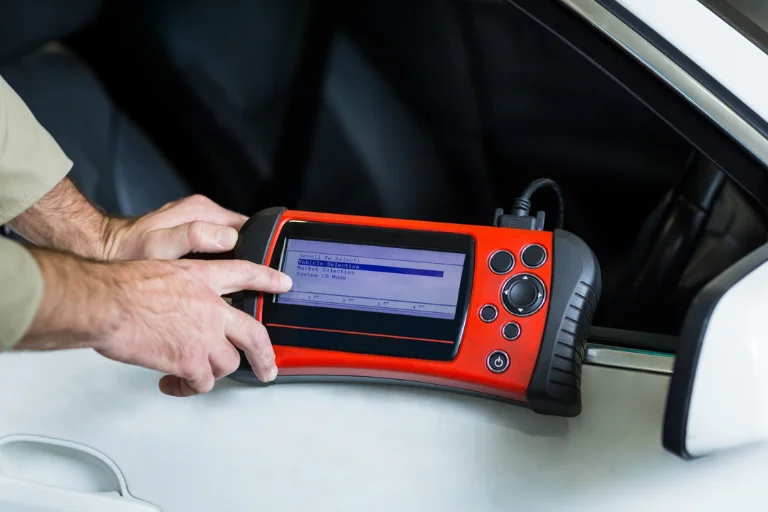
Replacing the wrong component can waste both time and money. A vehicle that will not start doesn’t automatically need a new starter or alternator, because battery problems, damaged wiring, and poor electrical connections can cause similar symptoms. Checking the system first can help you avoid an unnecessary car starter cost or alternator replacement cost.
A proper inspection usually includes:
- Battery Condition: The battery is tested for charge level, voltage, and overall health to determine whether it can provide enough power to start the vehicle.
- Electrical Connections: The technician inspects battery terminals, cables, grounds, and related wiring for corrosion, looseness, or damage that could interrupt electrical flow.
- Charging System Output: The technician tests the charging system to confirm whether the alternator supplies the correct voltage while the engine is running.
- Starter Operation: The technician checks the starter motor and related circuit to determine whether the engine is receiving enough cranking power.
- Alternator Performance: The technician evaluates the alternator for proper charging output and consistency under different electrical loads.
This testing process helps identify the source of the problem before replacing any parts. It also prevents unnecessary repairs and ensures that any alternator replacement cost or starter replacement expense is being spent on the component that actually needs attention.
Practical Tips to Avoid Unnecessary Starter or Alternator Replacement Cost

- Test the Battery First: A weak battery can mimic both alternator and starter failure.
- Inspect Battery Connections: Check battery terminals and cables for corrosion before assuming you need a major repair.
- Request Proper Diagnosis: Ask for a diagnostic test before authorizing any parts replacement.
- Review the Estimate: Get a written estimate that separates parts and labor.
- Compare Repair Costs: Compare the quoted alternator replacement cost or car starter cost against current averages before approving work.
Conclusion
Knowing the difference between starter and alternator failures helps drivers recognize problems and avoid paying for the wrong repair. Alternator replacement cost depends on the vehicle, part choice, and labor involved, while starter repairs have separate cost factors.
Accurate diagnosis is the first step toward the right fix. Guerrero Mobile Mechanics provides professional mobile diagnostic support to identify starting and charging system issues. Contact our mechanics today for reliable answers before you replace anything.