Introduction
Utility trucks are essential for industries such as construction, electrical services, telecommunications, landscaping, and municipal operations. Because these vehicles often operate under demanding conditions, regular inspections and maintenance are critical for safety, compliance, and dependable performance.
Professional mobile DOT inspection allow technicians to inspect qualifying utility trucks directly at your job site, reducing downtime and keeping operations moving. In this article, we explore how mobile DOT truck inspection and maintenance services help Houston businesses keep utility trucks safe, compliant, and ready for work.
Why Utility Trucks Require Regular DOT Inspections

Utility trucks operate in demanding environments where heavy equipment, frequent job-site travel, and extended operating hours place constant stress on critical vehicle systems. Unlike standard passenger vehicles, these work trucks must meet safety standards that help protect drivers, crews, and the public.
Routine mobile DOT truck inspections help identify potential issues before they lead to compliance violations, unexpected breakdowns, or costly repairs.
Factors That Increase Inspection Needs
- Heavy Daily Workloads: Carrying tools, equipment, and materials increases wear on brakes, suspension, and tires.
- Frequent Job-Site Travel: Utility trucks often operate on highways, city streets, and uneven work areas, accelerating component wear.
- Extended Operating Hours: Long workdays place additional stress on engines, cooling systems, and electrical components.
- Safety Compliance Requirements: Regular mobile DOT inspection services help businesses verify that qualifying vehicles meet required safety standards.
Scheduling mobile DOT truck inspections as part of a preventive maintenance program helps businesses maintain safer utility trucks, reduce unexpected downtime, and support reliable day-to-day operations.
Understanding Mobile DOT Truck Inspections
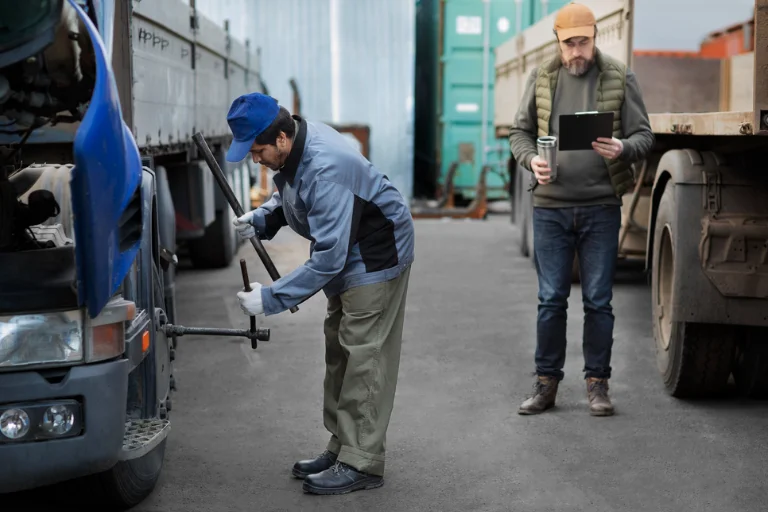
Mobile DOT truck inspections allow qualified technicians to inspect eligible utility trucks at your business location instead of requiring vehicles to visit a repair facility. This convenient approach helps reduce downtime while ensuring vehicles meet applicable safety requirements. Businesses can schedule inspections around daily operations, making it easier to maintain compliance without disrupting productivity.
Companies using mobile DOT truck inspections benefit from faster service coordination, improved fleet availability, and early identification of maintenance concerns before they become major problems.
What Is Commonly Inspected?
- Brake system performance
- Tires and wheels
- Steering and suspension
- Lights and reflectors
- Windshield wipers and mirrors
- Battery and electrical systems
- Fluid leaks and engine condition
Routine mobile DOT inspection services help identify safety concerns early while supporting reliable utility truck performance.
Common Compliance Issues Found During Utility Truck Inspections
Utility trucks experience constant mechanical wear that can affect both safety and regulatory compliance. Identifying these concerns during mobile DOT truck inspections helps businesses prevent failed inspections, unexpected repairs, and operational disruptions.
Roadside inspection data highlights the importance of properly maintaining commercial vehicles. In FY2025, nearly 20% of U.S. roadside inspections resulted in out-of-service orders, with vehicle-related issues accounting for the majority of recorded violations. Regular inspections help identify safety concerns early and support better compliance.
Frequently Identified Problems
- Brake Wear: Worn brake pads, damaged rotors, or leaking brake components can reduce stopping performance.
- Tire Damage: Uneven tread wear, low tire pressure, or damaged sidewalls may affect vehicle safety.
- Lighting Problems: Faulty headlights, brake lights, turn signals, or marker lights can create compliance issues.
- Fluid Leaks: Engine oil, coolant, brake fluid, or transmission leaks should be repaired before they worsen.
- Steering and Suspension Wear: Loose steering components or worn suspension parts can reduce vehicle stability and handling.
Addressing these issues promptly through utility truck repair helps businesses maintain safer vehicles while supporting successful inspection outcomes.
Preparing Utility Trucks for DOT Inspections
Successful mobile DOT truck inspections begin with proper vehicle preparation. Utility trucks that receive routine maintenance and regular safety checks are more likely to meet inspection requirements without delays. Addressing minor concerns before an inspection helps businesses avoid compliance issues and keeps work vehicles operating safely.
Steps That Help Utility Trucks Pass Inspection
- Inspect brakes for proper operation and wear.
- Verify all lights, reflectors, and warning devices function correctly.
- Check tire condition, tread depth, and inflation pressure.
- Inspect steering and suspension components for excessive wear.
- Look for fluid leaks around the engine, transmission, and braking system.
- Confirm mirrors, windshield, and wipers provide clear visibility.
Routine mobile DOT truck inspections combined with timely utility truck repair help businesses maintain compliant vehicles while reducing unexpected downtime.
Benefits of On-Site DOT Inspections for Utility Fleets
For businesses that rely on utility trucks every day, taking vehicles to an inspection facility can interrupt schedules and reduce productivity. Mobile DOT truck inspections provide a convenient alternative by bringing qualified technicians directly to your business location. This approach helps companies maintain compliance while keeping more vehicles available for daily operations.
Advantages of Mobile Inspections
- Reduced Downtime: Vehicles remain closer to the job site, minimizing time away from work.
- Greater Scheduling Flexibility: Inspections can be arranged around daily operations to reduce disruptions.
- Improved Fleet Availability: Faster inspections help return vehicles to service sooner.
- Early Problem Detection: Identifying safety concerns early allows businesses to plan repairs before they become major issues.
- Simplified Fleet Management: On-site inspections make it easier to monitor vehicle condition and maintain maintenance records.
Businesses that combine regular mobile DOT inspection services with prompt utility truck repair can improve vehicle reliability, support regulatory compliance, and keep utility trucks ready for every job.
How Preventive Maintenance Supports DOT Compliance
Maintaining DOT compliance requires more than completing inspections when they are due. A preventive maintenance program helps businesses identify developing mechanical problems before they affect safety or inspection results. Regular servicing also extends vehicle life while reducing the likelihood of unexpected breakdowns.
Scheduling mobile DOT truck inspections as part of routine maintenance allows technicians to monitor important vehicle systems and recommend repairs before small issues become compliance concerns.
Preventive Maintenance Best Practices
- Schedule inspections at recommended intervals.
- Repair safety-related issues promptly.
- Keep maintenance and inspection records organized.
- Monitor brake, tire, and lighting conditions regularly.
- Address warning lights and fluid leaks without delay.
A proactive maintenance strategy, supported by mobile DOT truck inspections, helps utility fleet operators maintain safer vehicles, reduce costly downtime, and stay prepared for future inspections.
Choosing a Mobile Mechanic for Utility Truck Fleets

Selecting the right service provider is important for businesses that depend on utility trucks every day. An experienced mobile mechanic should understand commercial vehicle safety requirements, perform accurate inspections, and provide dependable maintenance solutions that support long-term fleet performance.
Companies searching for mobile DOT truck inspections should look for providers with experience working on commercial utility vehicles and knowledge of applicable inspection standards.
What to Look for in a Mobile Inspection Provider
- Experience With Utility Trucks: Technicians should understand the demands of commercial work vehicles and industry safety requirements.
- Qualified Inspection Services: Choose a provider that offers reliable mobile DOT inspection services using professional equipment.
- Comprehensive Repair Capabilities: Prompt utility truck repair services help resolve issues identified during inspections.
- Flexible Scheduling: On-site appointments reduce disruptions and help keep trucks available for daily operations.
- Clear Maintenance Recommendations: Detailed inspection findings help fleet managers plan repairs and future maintenance.
Partnering with a trusted mobile mechanic for mobile DOT truck inspections helps businesses improve compliance, reduce downtime, and keep utility trucks operating safely throughout Houston.
Conclusion
Safe, compliant utility trucks are essential for businesses that depend on reliable commercial vehicles every day. Regular mobile DOT truck inspections make it easier to identify potential safety concerns, maintain inspection readiness, and support long-term vehicle performance.
With a proactive inspection program, businesses can keep their utility trucks prepared for every project and every mile on the road. For dependable on-site inspection and maintenance services in Houston, Guerrero Mobile Mechanics provides professional solutions that help commercial utility fleets meet inspection requirements and stay job-ready.