Introduction
Managing fleet expenses is a constant challenge for businesses that rely on commercial vehicles. Rising repair costs and unexpected breakdowns can significantly affect profitability and daily operations. While reducing maintenance expenses is important, cutting corners can pose safety risks and reduce vehicle reliability.
Businesses need practical strategies that lower costs while maintaining fleet performance. A proactive approach helps improve efficiency and reduce unnecessary spending. In this article, we explore five proven strategies that support fleet management cost savings without compromising vehicle reliability or operational success.
Why Fleet Maintenance Costs Continue to Rise?
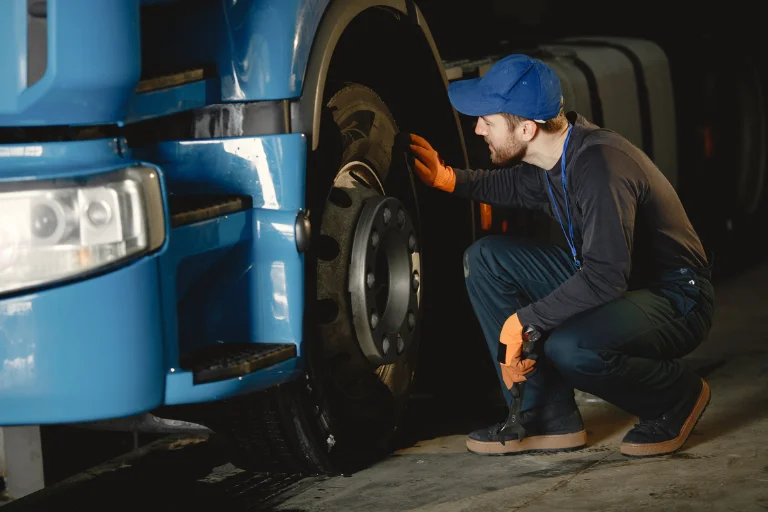
Fleet maintenance expenses continue to increase due to several operational and economic factors. Understanding these challenges is the first step toward achieving meaningful fleet management cost savings.
Common Cost Challenges
- Aging Vehicles: Older vehicles often require more frequent repairs, replacement parts, and ongoing maintenance services.
- Unexpected Breakdowns: Emergency repairs are usually more expensive than scheduled maintenance and often create operational disruptions.
- Poor Maintenance Planning: Delayed servicing can allow minor issues to develop into major mechanical failures.
- Vehicle Downtime: Every vehicle that remains out of service affects productivity and increases overall operating expenses.
Without proper planning, these challenges can significantly increase maintenance expenses and reduce fleet efficiency.
Practical Ways to Reduce Fleet Maintenance Expenses
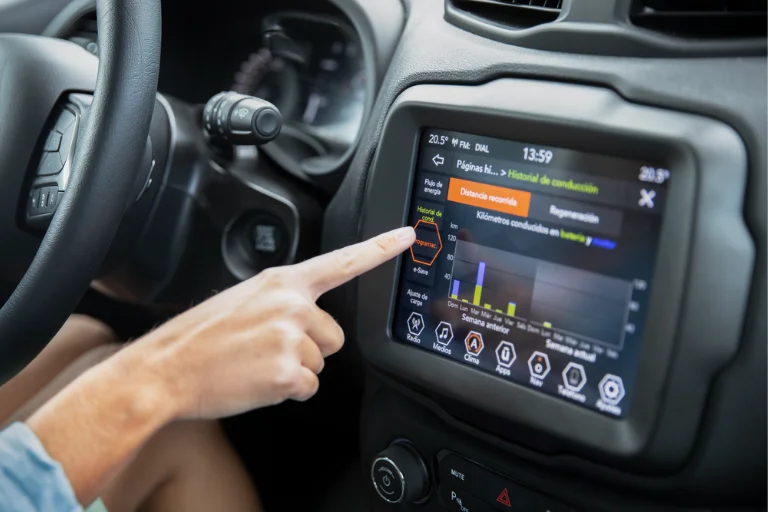
Businesses do not need to sacrifice vehicle reliability or safety to achieve fleet management cost savings. By focusing on proactive maintenance, vehicle performance monitoring, and efficient fleet practices, companies can significantly reduce repair expenses while improving operational efficiency.
The following five strategies can help lower maintenance costs and support long-term fleet performance without cutting corners.
Follow a Preventive Maintenance Schedule
Preventive maintenance is one of the most effective methods for achieving fleet management cost savings. Addressing maintenance needs before failures occur helps businesses avoid expensive repairs and unnecessary downtime.
Key Preventive Maintenance Tasks
- Oil and Fluid Services: Regular fluid inspections help protect engines, transmissions, and other critical vehicle systems.
- Brake Inspections: Routine brake evaluations help identify worn components before they affect vehicle safety.
- Tire Maintenance: Proper tyre inflation, rotation, and inspection help extend tyre lifespan and improve fuel efficiency.
- Routine Vehicle Inspections: Scheduled inspections help detect mechanical issues before they become serious repairs.
A structured maintenance schedule helps reduce emergency repairs, improve reliability, and lower overall fleet operating costs. Vehicles that receive regular service often remain operational longer and experience fewer unexpected failures. Consistent preventive servicing remains one of the most reliable methods for long-term fleet management cost savings.
Track Vehicle Performance Data
Vehicle performance data provides valuable insight into fleet health and maintenance requirements. Businesses that monitor vehicle performance can identify problems early and make more informed maintenance decisions.
Important Data to Monitor
- Fuel Consumption: Changes in fuel usage may indicate engine or drivetrain issues.
- Engine Performance: Monitoring engine health helps identify developing mechanical problems.
- Repair History: Service records reveal recurring issues and help improve maintenance planning.
- Mileage Trends: Mileage tracking ensures vehicles receive maintenance at appropriate intervals.
Using performance data supports fleet management cost savings by helping businesses prevent major breakdowns and reduce unnecessary repair expenses. It also improves maintenance scheduling and helps managers allocate resources more effectively.
Train Drivers to Reduce Vehicle Wear
Driver behavior directly influences vehicle condition, maintenance requirements, and long-term operating expenses. Proper training can significantly reduce wear and tear across an entire fleet.
Driving Habits That Reduce Costs
- Avoid Aggressive Acceleration: Smooth acceleration reduces stress on engines and transmissions.
- Limit Excessive Idling: Reducing idle time helps lower fuel consumption and engine wear.
- Practice Safe Braking: Controlled braking reduces wear on brake pads, rotors, and related components.
- Report Vehicle Issues Quickly: Early reporting helps maintenance teams address problems before they worsen.
Industry surveys found that 39% of fleets idle for three to four hours daily, while another 14% idle for more than four hours. These findings highlight a significant opportunity to reduce fuel waste and operating expenses through better fleet management practices.
Driver education is a valuable investment that supports fleet management cost savings while improving vehicle reliability. Better driving habits also contribute to lower fleet operating costs and longer vehicle lifespan.
Use Mobile Maintenance Services
Mobile maintenance services provide a convenient solution for businesses seeking to improve efficiency and reduce downtime. Instead of transporting vehicles to a repair facility, technicians perform maintenance and repairs on-site. Many businesses use mobile services as part of their overall strategy for improving fleet management cost savings.
Advantages of Mobile Service
- On-Site Repairs: Vehicles can be serviced at the business location or job site.
- Reduced Towing Costs: Many issues can be resolved without transporting the vehicle.
- Faster Service Response: Mobile technicians help return vehicles to operation more quickly.
- Improved Scheduling Flexibility: Maintenance can be performed around operational requirements.
Mobile services support fleet management cost savings by reducing downtime and improving maintenance efficiency. Businesses can maintain productivity while ensuring vehicles receive timely service.
Replace Vehicles at the Right Time
Keeping vehicles in service for too long can increase maintenance expenses and reduce reliability. Strategic vehicle replacement planning helps businesses balance repair costs with operational efficiency.
Signs It May Be Time for Replacement
- Increasing Repair Frequency: Frequent repairs often indicate declining vehicle reliability.
- Higher Maintenance Expenses: Rising repair costs may eventually exceed the vehicle’s value.
- Reduced Fuel Efficiency: Older vehicles often consume more fuel, increasing operating expenses.
- More Downtime: Aging vehicles typically spend more time out of service for repairs.
Replacing vehicles at the right time contributes to fleet management cost savings by reducing repair expenses and improving fleet reliability. Well-planned replacement schedules also help businesses maintain consistent operations.
Fleet Maintenance Best Practices for Long-Term Savings

Achieving long-term cost reductions requires more than occasional repairs. Businesses that follow proven fleet maintenance best practices are often better positioned to control expenses and improve vehicle performance.
Recommended Strategies
- Maintain Accurate Service Records: Detailed records help track maintenance history and identify recurring issues.
- Schedule Regular Inspections: Consistent inspections support proactive maintenance planning.
- Use Quality Replacement Parts: Reliable components help improve long-term vehicle performance.
- Monitor Maintenance Trends: Reviewing maintenance data helps identify opportunities for improvement.
- Review Fleet Performance Regularly: Ongoing evaluations support better operational decision-making.
Following these fleet maintenance best practices helps businesses reduce repair frequency, improve vehicle reliability, and enhance overall fleet performance. Consistent maintenance planning also supports better operational efficiency and contributes to long-term fleet management cost savings.
The Long-Term Impact on Fleet Operating Costs
Maintenance decisions have a direct impact on long-term profitability and operational efficiency. Businesses that invest in preventive maintenance often experience lower repair expenses, fewer breakdowns, and improved vehicle reliability.
Reducing unnecessary repairs also helps control fleet operating costs by improving fuel efficiency and extending vehicle lifespan. Well-maintained fleets are more productive, safer, and better equipped to meet daily operational demands.
Organizations that prioritize maintenance planning often achieve stronger financial performance and greater operational stability. Effective maintenance strategies help reduce unexpected expenses, improve vehicle reliability, and support long-term fleet efficiency. These benefits contribute to sustainable business growth while delivering greater fleet management cost savings over time.
The Role of Planning in Fleet Management Cost Savings
Successful fleets do not rely on reactive maintenance strategies. Instead, they focus on planning, monitoring, and continuous improvement to support ongoing fleet management cost savings.
Proactive maintenance planning allows businesses to schedule services efficiently, allocate resources effectively, and reduce unexpected expenses. Combining preventive maintenance, performance monitoring, and strategic replacement planning creates a stronger foundation for fleet success.
Companies that consistently evaluate their maintenance programs are better prepared to adapt to changing operational demands while controlling costs.
Conclusion
Reducing maintenance expenses does not require businesses to compromise safety, reliability, or vehicle performance. By following preventive maintenance schedules, tracking vehicle data, improving driver habits, utilizing mobile maintenance services, and replacing vehicles at the right time, companies can achieve meaningful fleet management cost savings.
Implementing proven fleet maintenance best practices also helps reduce repair expenses and improve efficiency. Contact Guerrero Mobile Mechanics today for professional fleet maintenance, diagnostics, and repair services that help reduce downtime, improve vehicle reliability, and support long-term fleet performance across Houston.