Introduction
Managing a fleet requires more than simply keeping vehicles on the road. Businesses must focus on safety, reliability, efficiency, and long-term operating costs to remain competitive. Effective commercial fleet management helps organizations maintain vehicle performance while reducing unexpected downtime. From preventive servicing to technology-driven monitoring, every aspect of fleet operations plays a critical role in business success.
Understanding commercial fleet maintenance strategies and service requirements allows fleet owners to make informed decisions that support productivity and operational growth. In this article, we explore the key elements of successful commercial fleet management.
What is Commercial Fleet Management?

Commercial fleet management refers to the process of overseeing company-owned vehicles used for transportation, delivery, service operations, or logistics. The goal is to ensure vehicles remain safe, reliable, and cost-effective throughout their service life.
Businesses use management strategies to coordinate vehicle maintenance, monitor operating expenses, improve driver performance, and maintain regulatory compliance. A structured management approach helps organizations maximize vehicle utilization while minimizing disruptions.
Key Components of Commercial Fleet Management
- Vehicle Acquisition: Selecting suitable vehicles based on operational needs helps improve efficiency and long-term value.
- Maintenance Scheduling: Regular service planning reduces the risk of breakdowns and supports consistent vehicle performance.
- Driver Management: Monitoring driving habits promotes safety and helps reduce unnecessary vehicle wear.
- Cost Control: Tracking fuel usage, repair expenses, and operating costs supports better budgeting decisions.
- Compliance Monitoring: Fleet managers must ensure that vehicles comply with safety regulations and inspection requirements.
A well-organized fleet management program provides the foundation for reliable fleet operations and sustainable business growth.
What is Fleet Maintenance and Why Does it Matter?

Many business owners ask, What is fleet maintenance, and why is it so important? Fleet maintenance refers to the routine inspection, servicing, and repair of vehicles to ensure safe and efficient operation.
Understanding fleet maintenance helps organizations recognize the value of preventive care. Instead of waiting for mechanical failures, businesses perform scheduled inspections and repairs to avoid costly downtime.
Core Objectives of Fleet Maintenance
- Vehicle Reliability: Routine servicing helps vehicles perform consistently during daily operations.
- Safety Improvement: Regular inspections identify issues before they become safety hazards.
- Downtime Reduction: Preventive maintenance helps avoid unexpected breakdowns and service interruptions.
- Cost Control: Early detection of problems often prevents expensive repair bills.
When companies understand fleet maintenance, they can implement structured service plans that improve reliability and operational efficiency.
Essential Commercial Fleet Maintenance Services
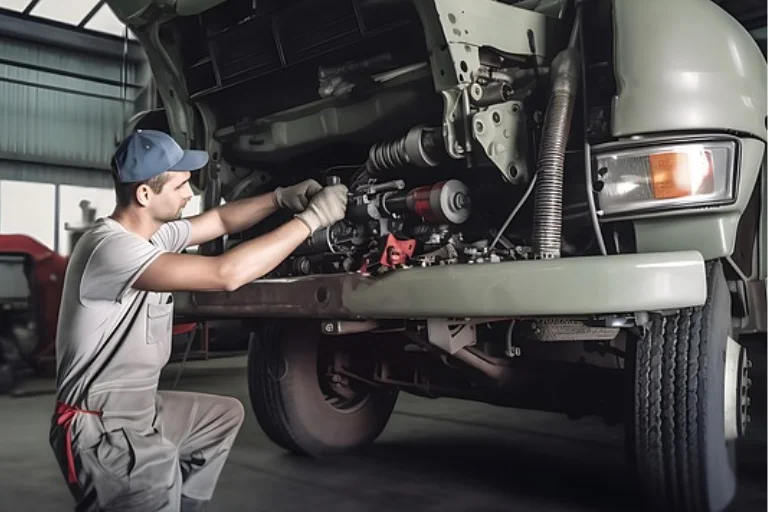
Reliable vehicle performance depends on professional commercial fleet maintenance programs. Scheduled servicing helps prevent major mechanical failures and extends vehicle lifespan. Businesses often rely on preventive maintenance schedules to keep fleets operating efficiently throughout the year.
Common Maintenance Tasks
- Oil and Fluid Services: Routine fluid replacement helps engines and vehicle systems operate smoothly.
- Brake Inspections: Brake components require regular evaluation to maintain safe stopping performance.
- Tire Maintenance: Proper tire pressure, alignment, and tread depth improve safety and fuel efficiency.
- Battery Testing: Battery inspections help prevent unexpected starting problems and electrical issues.
- Engine Diagnostics: Advanced diagnostic tools identify hidden faults before they develop into larger problems.
Professional commercial fleet maintenance reduces repair costs while supporting long-term fleet reliability.
Benefits of Commercial Fleet Management for Businesses
Strong commercial fleet management practices provide significant advantages for organizations that depend on transportation and vehicle operations.
Reduced Operational Costs
Efficient scheduling and preventive maintenance reduce unnecessary repair expenses. Businesses gain greater control over operational budgets through proactive planning.
Improved Vehicle Reliability
Vehicles that receive regular inspections experience fewer mechanical failures. Consistent maintenance helps fleets remain available when needed.
Better Fuel Efficiency
Proper servicing improves engine performance and reduces fuel consumption. Optimized vehicle operation contributes to lower operating costs.
Enhanced Driver Safety
Regular inspections help ensure critical safety systems remain in proper working condition. Safer vehicles reduce accident risk.
Increased Asset Lifespan
Well-maintained vehicles typically remain productive for longer periods. Effective management helps maximize return on fleet investments.
Many businesses invest in commercial fleet services to support these goals and maintain consistent operational performance.
Technology in Modern Fleet Operations
Technology continues to transform commercial fleet management by improving visibility, efficiency, and maintenance planning.
Digital Diagnostic Systems
Advanced diagnostic equipment quickly identifies vehicle faults and improves repair accuracy. These systems help technicians detect engine, electrical, and performance issues before they develop into more serious mechanical problems.
GPS and Fleet Tracking
Real-time tracking systems help monitor vehicle locations, routes, and performance metrics. Access to accurate operational data allows fleet managers to improve route planning and enhance daily productivity.
Predictive Maintenance Tools
Predictive technologies analyze vehicle data and identify potential issues before failures occur. Early detection supports proactive maintenance planning and helps reduce costly breakdowns during operation.
Automated Service Scheduling
Digital maintenance platforms help businesses manage service intervals more efficiently. Automated scheduling ensures maintenance tasks are completed on time and supports consistent fleet performance throughout the year.
Modern commercial fleet management systems allow organizations to make data-driven decisions that improve productivity and reduce operating costs.
Creating an Effective Fleet Maintenance Schedule
A structured maintenance schedule plays a critical role in the success of commercial fleet management. Consistent inspections help businesses avoid unexpected repairs and maintain vehicle reliability.
Daily Inspection Procedures
Drivers should inspect tires, lights, fluid levels, and visible vehicle components before operating the vehicle. Consistent daily inspections help identify potential concerns early and support safer fleet operations.
Weekly Maintenance Checks
Weekly evaluations help identify minor issues before they develop into larger problems. Regular assessments also improve vehicle reliability and reduce the risk of unexpected breakdowns.
Monthly Service Requirements
Monthly inspections focus on brakes, suspension systems, batteries, and engine performance. Thorough monthly servicing helps maintain vehicle efficiency and supports long-term operational reliability.
Preventive Maintenance Planning
Preventive service schedules help businesses maintain reliable operations and extend vehicle lifespan. Scheduled maintenance activities reduce downtime and improve overall fleet performance throughout the year.
Strong maintenance planning is one of the most important aspects of successful commercial fleet management.
How Commercial Fleet Services Improve Business Efficiency?
Professional commercial fleet services help organizations maintain dependable transportation while reducing administrative burdens.
- Faster Vehicle Availability: Prompt maintenance and repairs help vehicles return to service quickly.
- Reduced Downtime: Preventive maintenance minimizes disruptions caused by unexpected breakdowns.
- Improved Productivity: Reliable vehicles allow employees to focus on operational responsibilities without delays.
- Better Resource Allocation: Fleet managers can plan maintenance activities more efficiently and control operating costs.
Businesses that utilize fleet services often experience improved operational performance and stronger fleet reliability.
Common Fleet Maintenance Challenges
Even with a structured maintenance strategy, fleet operators face several challenges that can affect performance, costs, and vehicle availability. Identifying these challenges early helps businesses improve planning and reduce operational risks.
Unexpected Breakdowns
Unexpected mechanical failures can disrupt schedules and create costly delays. Routine inspections and proactive servicing help reduce the likelihood of emergency repairs and unexpected operational interruptions. Faster issue detection also improves overall fleet reliability and service availability.
Maintenance Cost Management
Controlling repair and maintenance expenses remains a priority for fleet operators. Strategic budgeting and preventive maintenance programs help minimize long-term costs while improving resource allocation. Effective cost management supports better financial planning across fleet operations.
Regulatory Compliance
Commercial vehicles must meet safety and operational regulations. Regular inspections and accurate service records help businesses maintain compliance requirements and avoid potential penalties. Proper documentation also simplifies audits and regulatory reviews.
Vehicle Replacement Planning
Aging vehicles often require more repairs and maintenance. Fleet managers must balance repair costs against the benefits of replacing older assets to maintain operational efficiency. Timely replacement decisions help improve reliability and reduce operating expenses.
Successful management requires continuous monitoring and adaptation to address these challenges effectively.
Choosing the Right Commercial Fleet Services Provider
Selecting a reliable service provider is an important decision for fleet owners. The right partner can improve vehicle reliability, reduce downtime, and support long-term operational goals.
Experience and Expertise
Providers with extensive industry experience are better equipped to handle a wide range of fleet maintenance requirements. Skilled technicians can identify issues quickly and recommend effective solutions.
Service Availability
Flexible scheduling and responsive support help businesses maintain uninterrupted operations. Fast service availability is especially important during emergency situations.
Mobile Repair Capabilities
Mobile maintenance solutions provide convenient on-site support when vehicles cannot easily reach a repair facility. On-site service reduces delays and keeps operations moving efficiently.
Maintenance Reporting Systems
Detailed service records help fleet managers monitor vehicle performance and maintenance history. Accurate reporting supports informed decision-making and long-term planning.
Partnering with experienced providers strengthens commercial fleet management efforts and improves fleet performance.
Future Trends in Commercial Fleet Management
Technology and data-driven solutions continue to shape the future of fleet operations. Businesses that adopt modern practices can improve efficiency and maintain a competitive advantage. According to industry reports, the global fleet management market is expected to grow from USD 30.1 billion in 2026 to USD 122.3 billion by 2035. These statistics highlight the increasing demand for advanced fleet management solutions.
- Data-Driven Maintenance: Vehicle data analysis helps identify maintenance needs before major failures occur. Predictive insights improve planning and reduce unexpected downtime.
- Connected Vehicle Technology: Connected systems provide real-time information about vehicle performance, location, and operating conditions. Better visibility allows managers to make faster operational decisions.
- Advanced Fleet Analytics: Analytics platforms help organizations evaluate operating costs, fuel usage, and maintenance trends. Improved reporting supports more effective fleet strategies.
- Sustainability Initiatives: Many businesses are investing in fuel-efficient vehicles and environmentally responsible operating practices. Sustainable fleet strategies help reduce operating costs while supporting environmental goals.
The future of fleet management will continue to focus on efficiency, technology integration, and proactive maintenance planning.
Conclusion
Effective commercial fleet management is essential for reliable transportation and controlled operating costs. Regular inspections and preventive maintenance help reduce downtime and extend vehicle lifespan. Modern technology further improves efficiency by identifying issues early and supporting timely repairs. Businesses that follow structured maintenance plans achieve better safety, performance, and long-term operational stability.
Whether managing a small or large fleet, proactive planning is key to consistent success. Contact Guerrero Mobile Mechanics today for expert on-site fleet support and dependable commercial fleet management solutions across Houston.