Introduction
Is your vehicle taking longer to start or losing power when you accelerate? These issues may indicate a failing fuel pump. A fuel pump delivers fuel from the tank to the engine at the required pressure for proper combustion. As it wears out, drivers may notice hesitation, weak acceleration, or sudden power loss.
Understanding the fuel pump replacement cost helps you prepare for repairs. In this article, we explore the fuel pump pricing factors, common failure signs, causes of fuel pump issues, and the checks mechanics perform before replacing the part.
What is a Fuel Pump and Why Does It Matter?
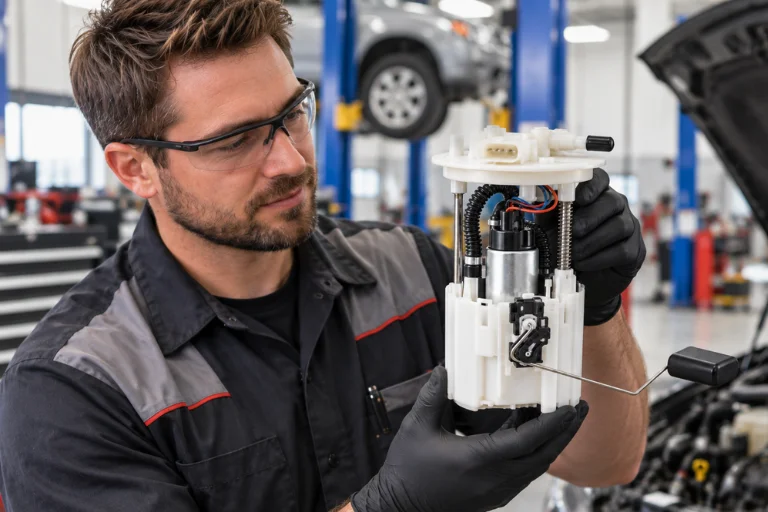
A fuel pump transfers fuel from the tank to the engine while maintaining the pressure required for proper combustion. Modern vehicles use electric fuel pumps that operate continuously to provide a steady fuel supply during driving.
According to market research data, gasoline vehicles represent around 58% of the automotive electric fuel pump market, driven by their need for reliable fuel delivery systems. When a fuel pump weakens or becomes damaged, the engine may not receive enough fuel, leading to starting delays, hesitation, reduced power, and inconsistent performance.
A properly working fuel pump provides:
- Consistent fuel delivery: Supplies the engine with the fuel needed for combustion.
- Stable fuel pressure: Maintains the pressure needed for smooth engine operation.
- Smooth acceleration: Helps the engine respond properly when increasing speed.
Fuel Pump Replacement Cost: What Should You Expect?
Fuel pump replacement cost depends on the vehicle model, fuel pump type, labor time, and whether additional fuel system repairs are needed. Some vehicles have fuel pumps that are easier to access, while others require removing the fuel tank, increasing the installation time.
Many vehicle owners search for “how much is a fuel pump” because they want to understand the possible repair expense before replacing the component. The final cost changes based on the vehicle’s fuel system design and the replacement parts used.
The fuel pump replacement cost usually includes the main components and services involved in completing the repair:
- Fuel pump part: The price depends on whether the vehicle uses an OEM or aftermarket replacement pump.
- Labor charges: Installation costs vary depending on fuel pump location and the work required to access it.
- Additional components: Fuel filters, wiring issues, or related fuel system repairs can increase the final repair amount.
How Much Does a Fuel Pump Replacement Cost?
The fuel pump replacement cost is different for every vehicle because manufacturers use different fuel system designs and components. The total repair amount includes the replacement pump, labor charges, and any additional repairs identified during inspection.
Fuel Pump Part Price
Fuel pump price depends on the type and quality of the replacement component. OEM fuel pumps are usually more expensive because they are built for specific vehicle models, while aftermarket options may cost different amounts depending on the manufacturer.
Labor Charges for Fuel Pump Replacement
Labor costs depend on how easily technicians can access the fuel pump. Some vehicles allow faster replacement, while others require fuel tank removal or additional disassembly, increasing the repair time.
Vehicle Make and Model Impact
The vehicle’s make, model, and year directly affect replacement pricing. Different fuel systems require different pump designs, and some vehicles need specialized parts or installation procedures.
Additional Repairs During Replacement
Fuel pump replacement may reveal other issues affecting fuel delivery. Damaged electrical connections, worn wiring, or clogged fuel filters may need repair to ensure the new pump operates correctly. These additional repairs can also affect the final fuel pump replacement cost.
When searching how much is a fuel pump, the actual cost depends on these repair factors and the specific requirements of the vehicle.
Factors That Affect Fuel Pump Replacement Cost
The fuel pump replacement cost changes based on several factors related to the vehicle and the repair process.
- Vehicle make and model: Different vehicles use different fuel pump systems, affecting part prices and labor requirements.
- Fuel pump type and quality: OEM and aftermarket pumps differ in price based on quality and compatibility.
- Labor requirements: Fuel pump location and access difficulty can increase replacement time and labor charges.
- Additional fuel system problems: Damaged filters, wiring, relays, or connectors can increase repair costs.
Common Signs of a Failing Fuel Pump

A failing fuel pump usually shows noticeable symptoms before it stops working completely. Identifying these signs can help prevent a sudden loss of engine power or a no-start situation.
Difficulty Starting the Vehicle
A weak fuel pump may not create enough pressure to deliver fuel properly during startup. Drivers may notice longer cranking times, repeated starting attempts, or a delay before the engine turns on. This issue often becomes more noticeable as the pump wears down. If fuel pressure drops too low, the engine may fail to start because it isn’t receiving enough fuel.
Car Hesitates When Accelerating
A common fuel pump warning sign is when the car hesitates when accelerating. This happens when the pump cannot supply enough fuel while the engine requires more power.
Drivers may experience:
- Delayed response: The vehicle takes longer to respond after you press the accelerator.
- Loss of power: The engine struggles during uphill driving, overtaking, or highway acceleration.
- Uneven performance: Speed changes may feel inconsistent during normal driving.
Engine Stalling or Sudden Power Loss
A failing fuel pump can interrupt fuel delivery while the vehicle is running. When fuel pressure drops, the engine may lose power or shut off unexpectedly. Stalling often occurs during acceleration, under heavy loads, or when the engine needs extra fuel. Repeated stalling should be checked because it may indicate a fuel delivery problem.
Unusual Fuel Pump Noise
A healthy fuel pump normally operates with minimal noise. A loud whining, buzzing, or humming sound near the fuel tank can indicate internal wear or reduced pump performance. Ignoring unusual sounds may allow the problem to progress until the fuel pump stops working completely.
Reduced Fuel Efficiency
A damaged fuel pump can affect how efficiently fuel reaches the engine. When fuel delivery becomes inconsistent, the engine may use more fuel to maintain normal performance. Changes in fuel consumption, combined with other symptoms, may indicate that the fuel system needs inspection.
What Causes Fuel Pump Issues?
Several factors can reduce fuel pump performance and shorten its service life. Identifying the cause also helps determine fuel pump replacement cost and the required repair.
Common causes of fuel pump issues include:
- Low fuel levels: Driving with a low fuel tank can increase pump strain because fuel helps cool and lubricate the component.
- Contaminated fuel: Dirt and debris can damage internal pump parts and reduce fuel delivery performance.
- Electrical problems: Faulty wiring, connectors, fuses, or relays can prevent proper pump operation.
- Normal wear and tear: Continuous use can reduce the pump’s ability to maintain proper fuel pressure.
- Blocked fuel filters: Restricted filters can make the pump work harder and increase stress on components.
How Mechanics Diagnose Fuel Pump Problems
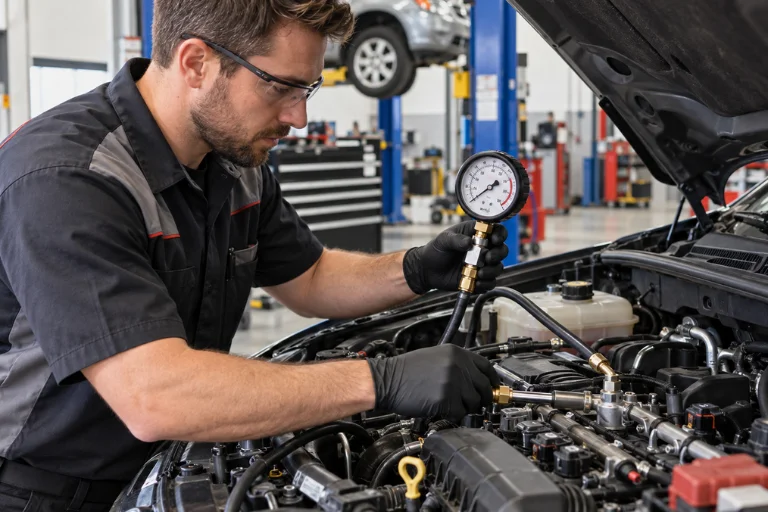
A mechanic checks the fuel system to confirm the issue and determine the fuel pump replacement cost based on the required repair. The inspection process may include:
- Fuel pressure testing: Measures whether the fuel pump is producing enough pressure for proper engine operation.
- Electrical inspection: Checks the wiring, connectors, fuses, and relay that supply power to the pump.
- Fuel system evaluation: Examines filters and other components that may affect fuel delivery.
- Performance testing: Reviews symptoms such as starting issues, engine hesitation, or power loss.
Tips to Extend Fuel Pump Life
Regular maintenance can reduce stress on the fuel pump and help prevent early failure. Proper care can also help avoid unexpected fuel pump replacement cost caused by preventable fuel system problems.
- Avoid driving with a nearly empty fuel tank: Keeping enough fuel in the tank helps cool the pump and reduces unnecessary strain during operation.
- Use quality fuel: Clean fuel reduces the risk of dirt and contaminants damaging internal fuel pump components.
- Replace the fuel filter when needed: A clogged filter can restrict fuel flow and force the pump to work harder.
- Watch for warning signs: Check issues like hesitation when accelerating, slow starts, or unusual pump noises before the problem worsens.
- Maintain electrical connections: Damaged wiring, loose connectors, or relay problems can affect fuel pump operation.
Conclusion
A failing fuel pump can cause starting issues, weak acceleration, and inconsistent engine performance. Understanding fuel pump replacement cost, warning signs, and causes of failure helps you know when repairs are needed.
Symptoms such as the engine stalling or delayed starting can point to a failing fuel pump or another fuel system problem. Guerrero Mobile Mechanics can check fuel pressure, inspect related components, and replace a faulty fuel pump when needed to restore proper fuel delivery and engine performance.