Introduction
When a commercial vehicle needs repairs, one of the first decisions a fleet manager must make is whether to call a mobile mechanic or send the vehicle to a repair shop. Each option has advantages, but the right choice depends on your fleet’s schedule, repair needs, and operational priorities.
Choosing the right fleet service repair solution can help businesses reduce downtime, control maintenance costs, and keep vehicles on the road longer. This guide compares both repair options to help you choose the right solution to maximize fleet performance and minimize downtime.
What Is Fleet Service Repair?
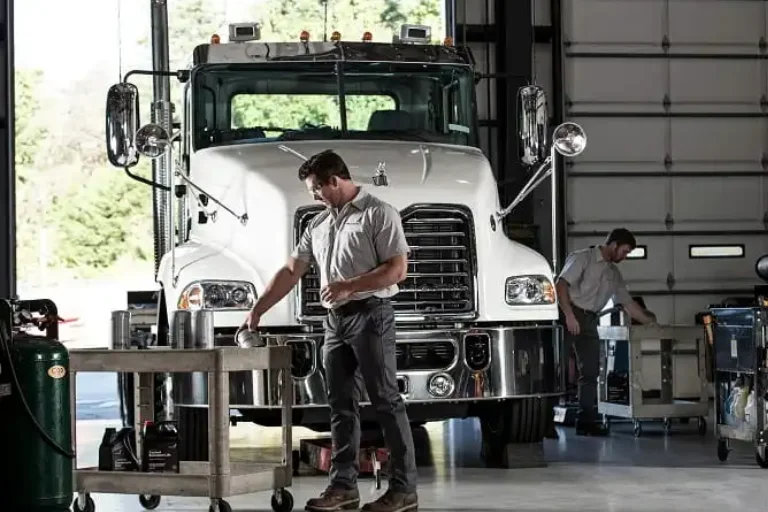
Unlike traditional repair shops, fleet service repair brings experienced technicians directly to your business location. Instead of taking vehicles off-site for maintenance, mobile mechanics perform many inspections and repairs wherever the fleet is parked. This allows businesses to continue daily operations while essential maintenance is completed.
Professional repair is designed for companies that depend on commercial vehicles every day. Delivery companies, construction contractors, utility providers, rental fleets, and service businesses often choose mobile repairs because they reduce interruptions and improve maintenance efficiency.
Common Mobile Fleet Services
A professional fleet service repair provider can perform a wide range of maintenance and repair services, including:
- Preventive maintenance inspections
- Engine diagnostic testing
- Brake inspection and repairs
- Battery testing and replacement
- Electrical system diagnostics
- Cooling system maintenance
- Steering and suspension repairs
- Fuel system inspections
- Belt and hose replacement
- Minor engine repairs
- Fleet safety inspections
What to Expect From a Shop Mechanic
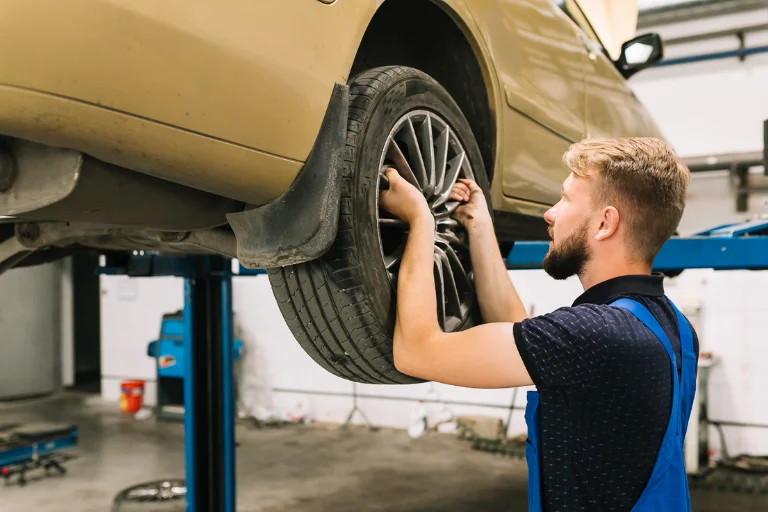
A repair shop provides vehicle maintenance inside a dedicated service facility equipped with permanent lifts, diagnostic equipment, and specialized tools. Shop mechanics typically work on a wide variety of vehicles, from personal cars to commercial trucks.
Repair facilities are often the preferred choice when extensive repairs require equipment that cannot be transported to a customer’s location. Although vehicles must be taken to the shop, these facilities can perform complex repairs that require additional workspace or heavy-duty machinery.
Common Shop Mechanic Services
Most repair facilities offer services such as:
- Complete engine rebuilding
- Transmission repair and replacement
- Wheel alignment
- Tire mounting and balancing
- Exhaust system replacement
- Air conditioning repairs
- Differential repairs
- Welding and fabrication
- Major suspension repairs
- Advanced computer diagnostics
- Frame-related repairs
Mobile Fleet Service Mechanic vs. Shop Mechanic: Key Differences
Both repair options are valuable, but they serve different business needs. Comparing them side by side makes it easier to determine which solution best fits your fleet.
Convenience
One of the biggest advantages of fleet service repair is convenience. Mobile technicians travel directly to your business, eliminating the need to drive vehicles across Houston or arrange towing for those that cannot be driven safely.
A repair shop, on the other hand, requires vehicles to be delivered to its facility. While this may not be a problem for a single vehicle, transporting several commercial vehicles can interrupt daily operations and increase labor costs.
Downtime
Downtime directly affects productivity and revenue. Every hour a vehicle is unavailable may result in delayed deliveries, missed appointments, or reduced customer service.
With fleet service repair, technicians perform many repairs at your location, allowing vehicles to return to service much sooner. Mobile scheduling also makes it easier to complete routine maintenance outside peak business hours.
Traditional repair shops often involve waiting for an available service bay before work begins. During busy periods, this can extend repair times and keep vehicles off the road longer.
Maintenance Planning
Routine maintenance is easier to manage when technicians come to your fleet. Businesses can schedule fleet service repair for multiple vehicles during the same visit, helping reduce scheduling conflicts and maintain consistent service intervals.
Repair shops generally require separate appointments or multiple vehicle drop-offs, which can be more difficult for companies managing large fleets.
Equipment and Repair Capabilities
Mobile mechanics carry professional diagnostic equipment and specialized tools capable of handling many common commercial vehicle repairs.
However, repair shops have permanent lifts and heavy-duty equipment that allow them to perform extensive engine rebuilds, transmission replacements, and structural repairs that cannot typically be completed on-site.
Why Many Businesses Choose Mobile Fleet Service Repair
For many fleet operators, mobile repairs provide practical advantages that improve efficiency while reducing operating costs.
Less Disruption to Daily Operations
Keeping vehicles at the business location allows employees to remain focused on their work instead of transporting vehicles to a repair facility. Scheduled fleet service repair visits help businesses maintain normal operations while maintenance is completed.
Faster Response to Mechanical Problems
Unexpected breakdowns require immediate attention. Mobile technicians can often inspect and diagnose issues shortly after arriving on-site, reducing delays and helping businesses restore vehicles to service more quickly.
Many fleet managers searching for fleet repair near me prefer mobile providers because they can respond directly to the fleet location without requiring additional transportation.
Preventive Maintenance Becomes Easier
Regular inspections are one of the best ways to reduce unexpected repairs. Scheduling recurring repair appointments allows technicians to monitor vehicle condition, replace worn components, and identify small problems before they become expensive failures.
Lower Transportation Costs
Moving commercial vehicles to a repair facility often requires additional drivers, towing services, or temporary scheduling adjustments. Mobile service eliminates many of these expenses by bringing qualified technicians directly to the fleet.
For businesses operating multiple vehicles, reducing transportation costs can make a noticeable difference in annual maintenance expenses.
When a Shop Mechanic May Be the Better Option
Although mobile repairs offer many advantages, there are situations where a traditional repair shop is the better choice. Some repairs require heavy-duty equipment, specialized workstations, or extended labor that cannot be performed safely in the field.
A repair facility may be the preferred option when vehicles require:
- Complete engine overhauls
- Transmission rebuilding or replacement
- Frame or structural repairs
- Wheel alignment services
- Welding and fabrication
- Major collision-related repairs
For these complex jobs, shop mechanics have access to equipment and facilities that support extensive repair work. Many businesses use both approaches, choosing fleet service repair for routine maintenance and minor repairs while relying on repair shops for large mechanical projects.
Cost Comparison: Mobile Mechanic vs. Repair Shop
Cost is often one of the biggest factors when deciding where to service commercial vehicles. However, the total expense involves more than just labor rates.
Labor Rates
Many fleet managers compare mechanic flat rate vs hourly pricing before scheduling repairs. Under a flat-rate system, customers pay a predetermined labor charge based on the repair being completed, regardless of how long the technician actually spends on the job.
With hourly pricing, labor costs increase according to the actual repair time. According to a report, State of General Auto Repair Shops in the U.S., the average mechanic labor rate ranges from under $100 to more than $200 per hour, with nearly half of U.S. auto repair shops charging between $120 and $159 per hour.
Businesses comparing mechanic flat rate vs hourly should consider the type of repairs their fleet commonly requires, as each pricing model offers different advantages depending on the situation.
Transportation Expenses
Taking vehicles to a repair shop often creates additional costs that are easy to overlook.
These expenses may include:
- Employee travel time
- Fuel costs
- Towing charges
- Lost productivity
- Temporary vehicle downtime
By choosing fleet service repair, many businesses eliminate these transportation-related expenses while keeping their vehicles at the job site.
Long-Term Value
The lowest repair bill does not always provide the best overall value. Regular fleet service repair helps detect wear before it develops into major mechanical failures. Preventive maintenance reduces emergency repairs, extends vehicle life, and improves fleet reliability over time.
Businesses searching online for fleet repair near me should evaluate both service quality and long-term maintenance support instead of focusing only on the initial repair cost.
Which Option Is Right for Your Fleet?

Selecting the best repair approach depends on your fleet’s daily workload, maintenance priorities, and the type of repairs your vehicles require. For many businesses, fleet service repair provides the flexibility to keep vehicles operating with minimal disruption, while traditional repair shops remain valuable for complex mechanical work.
Mobile Fleet Service Is Ideal If You:
- Manage multiple commercial vehicles.
- Need to minimize vehicle downtime.
- Prefer repairs performed at your business location.
- Want flexible scheduling that fits daily operations.
- Follow a preventive maintenance program.
A Repair Shop May Be the Better Choice If You:
- Require major engine or transmission repairs.
- Need specialized shop equipment or vehicle lifts.
- Have repairs involving structural or heavy mechanical components.
- Can schedule vehicles out of service for longer repair periods.
Many businesses maximize efficiency by using fleet service repair for routine maintenance and repair shops for major mechanical work.
Conclusion
Choosing the right repair solution can improve fleet reliability, reduce downtime, and support more efficient daily operations. While repair shops are ideal for major mechanical work, fleet service repair offers the convenience of on-site maintenance for routine services and many common repairs. Partnering with an experienced mobile repair provider helps keep commercial vehicles operating safely and efficiently.
Guerrero Mobile Mechanics proudly serves businesses throughout Houston with dependable repair service. Contact our mechanics today to schedule professional fleet maintenance and repairs.